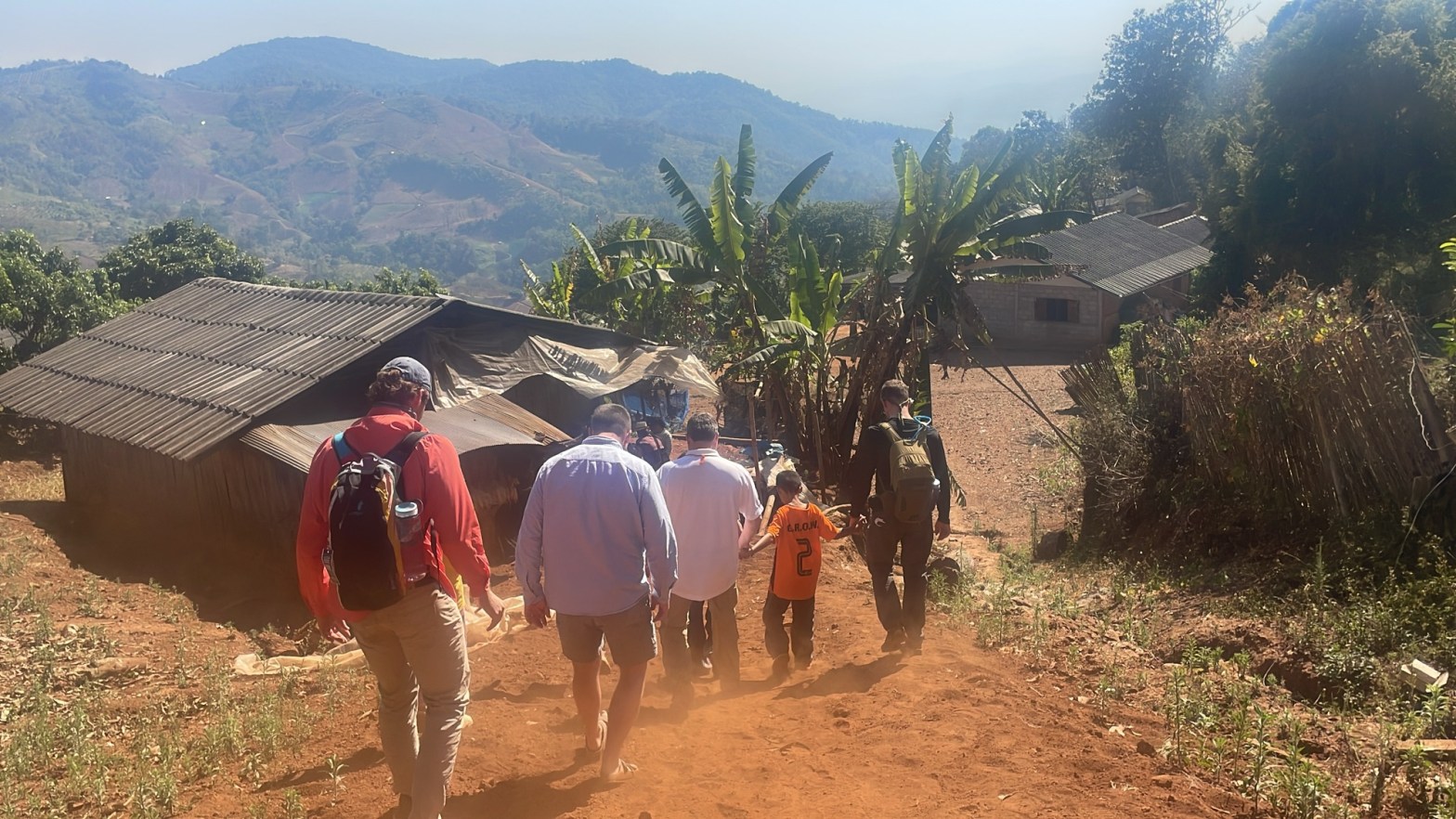
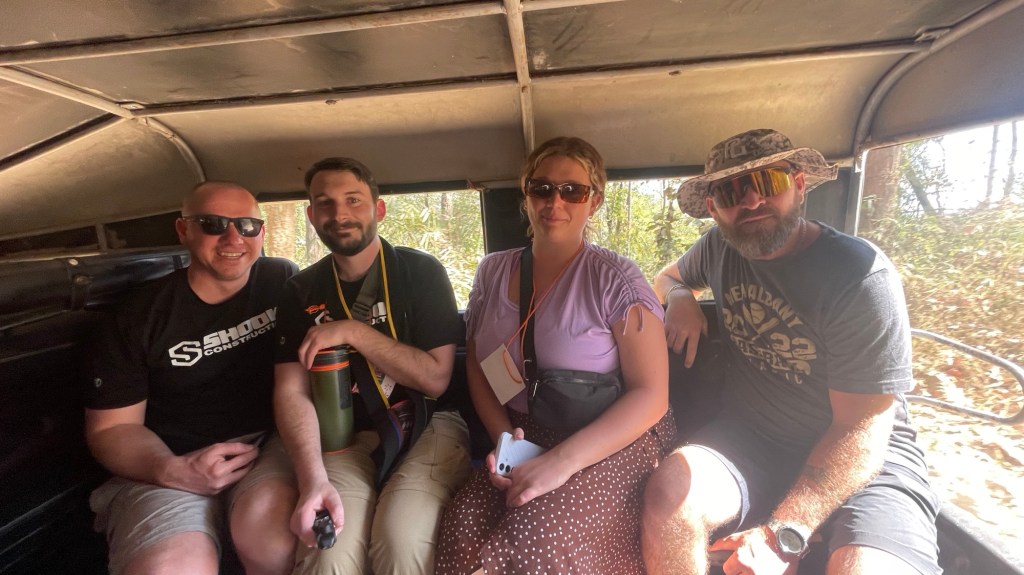
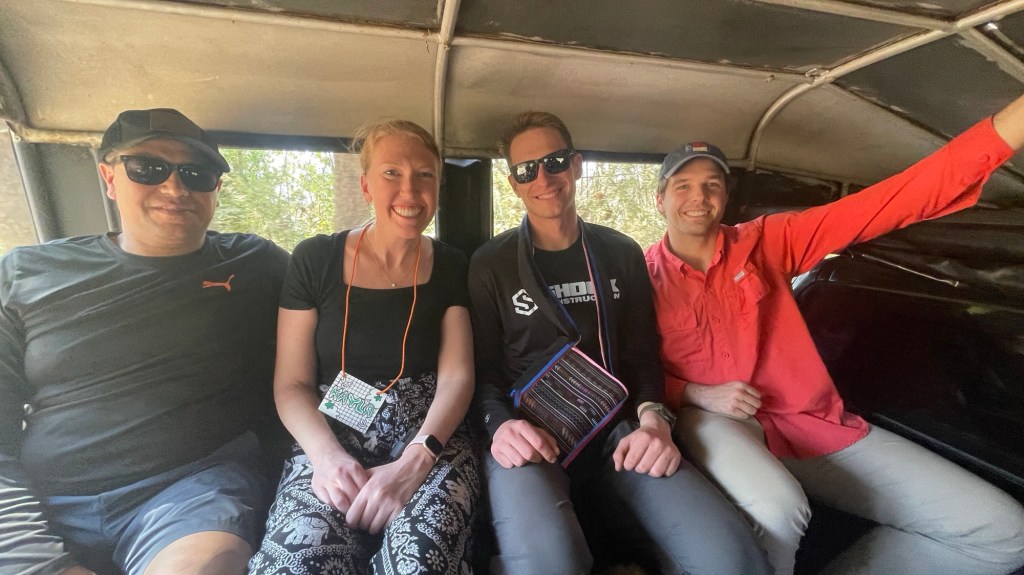
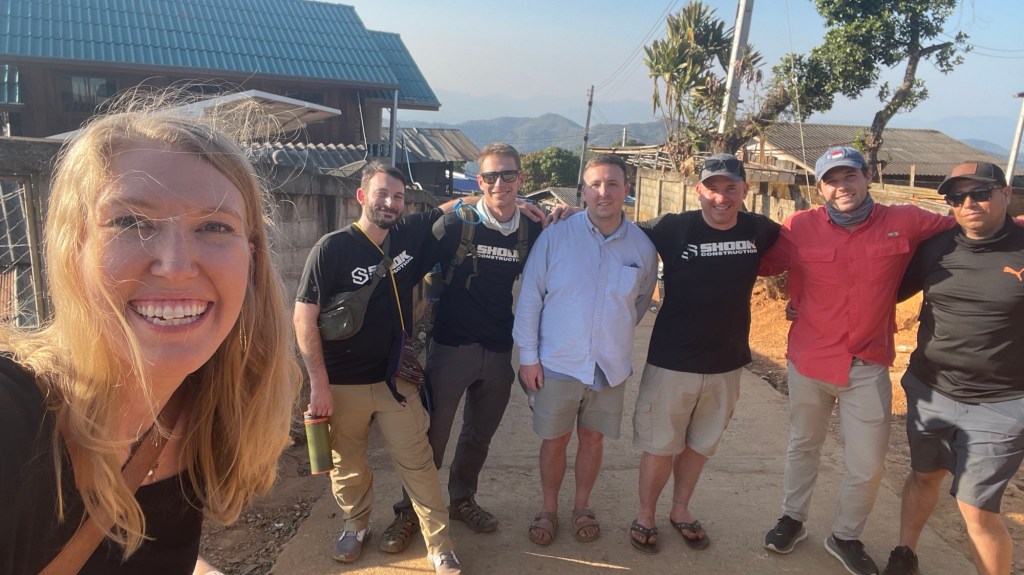
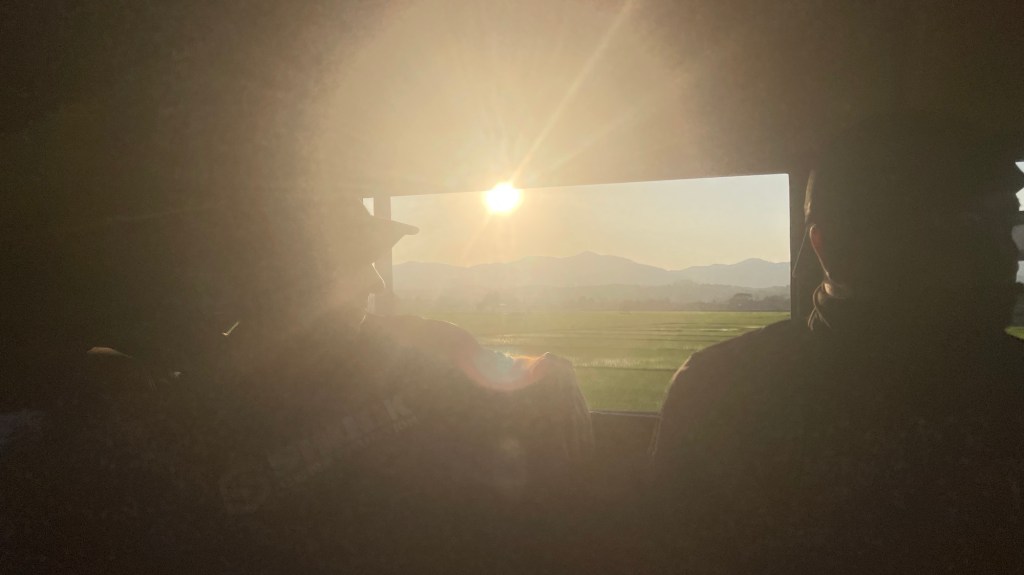
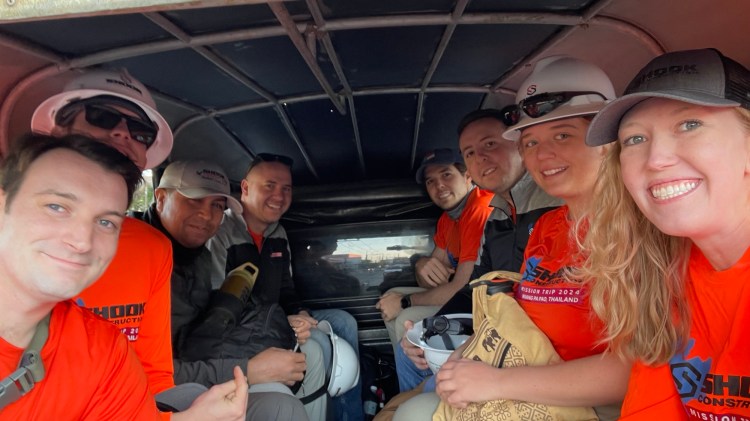
After church wrapped up on Sunday, we piled into the truck to head to the kids’ villages in the mountains to see their families and how they grew up prior to coming to GROW. With eight of us in the back of the truck, squished together, I knew it would get interesting. However, this is how we rode for the remainder of the week at GROW. Those moments piling in the truck together were full of so many emotions. Some days, pure exhaustion. Others were filled with joy, tears, or somberness. In the back of that truck with the air beating on us, we let our emotions out with the wind. Everything we held onto during the day was released. That is exactly what happened the first day in the back of the truck for me. My shaking exterior from sharing my testimony at church got lost in the wind as we headed up the mountain to the children’s villages.
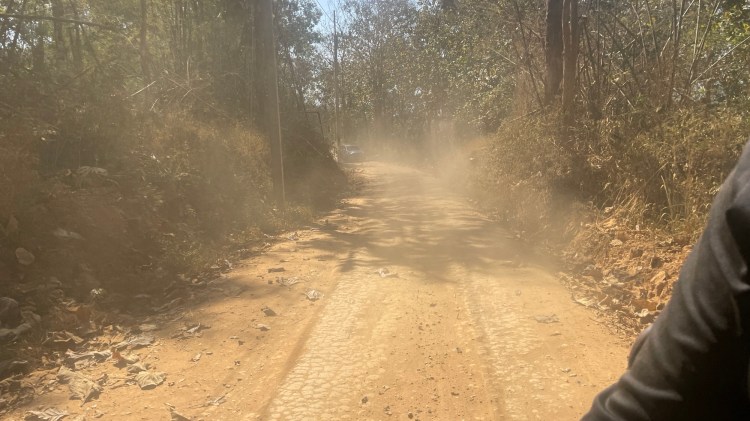
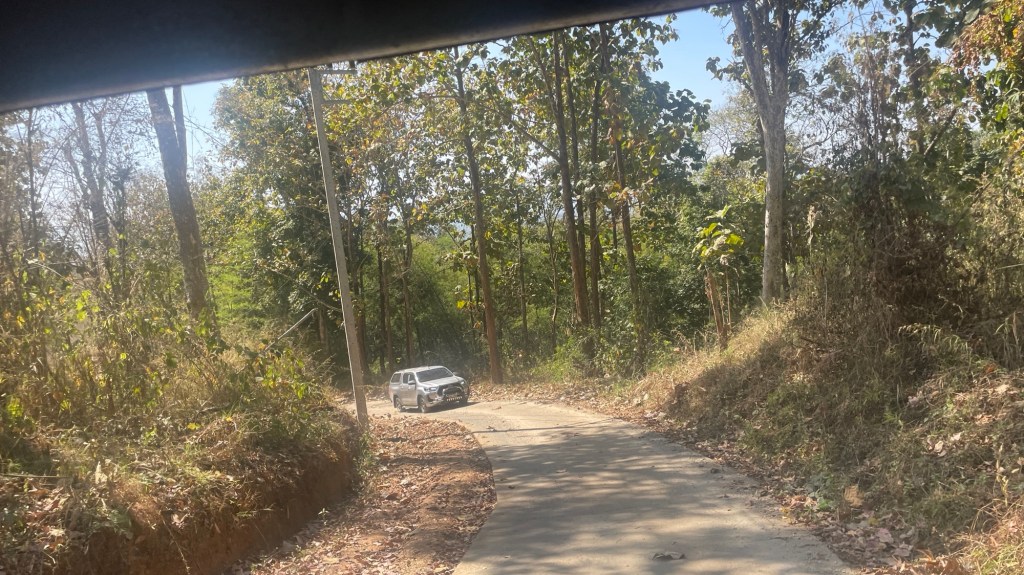
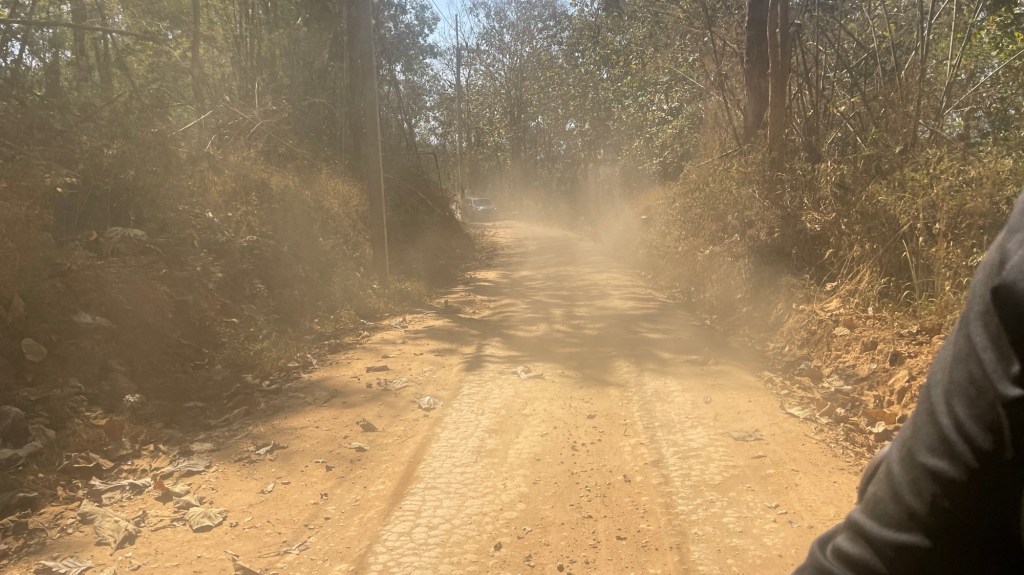
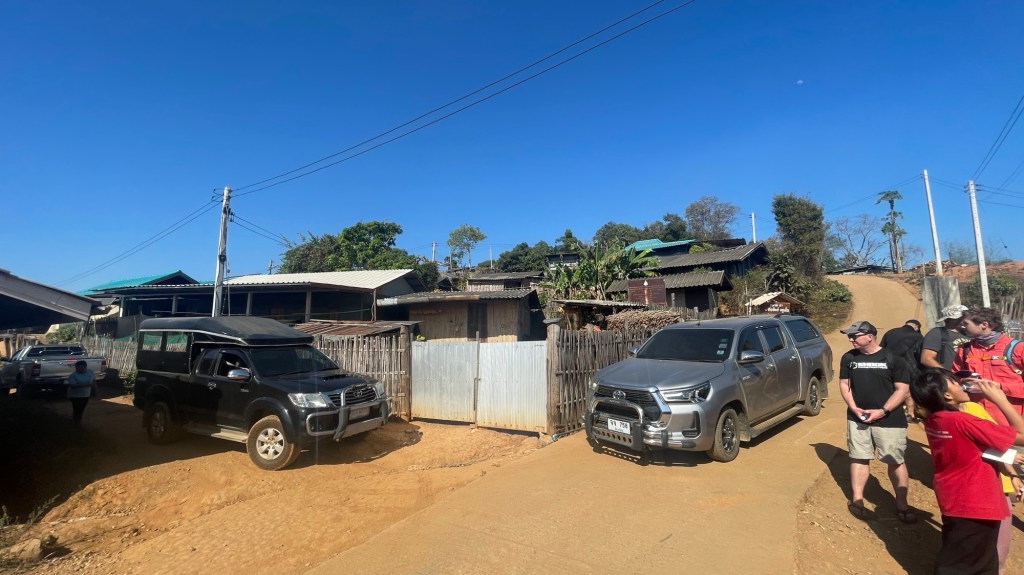
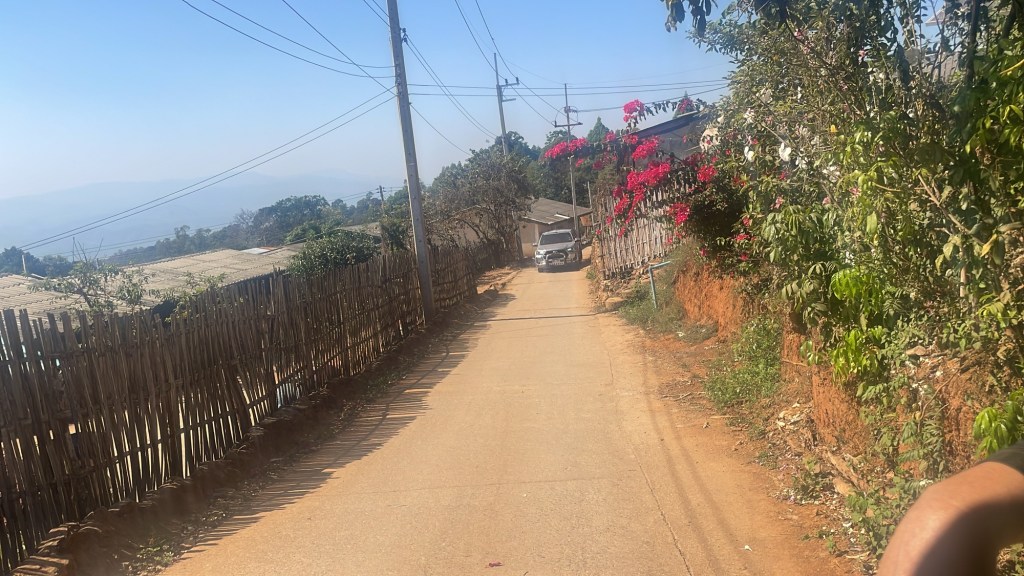
Riding 30 minutes in the back of a truck up a dirt road mountain was an experience. Headed up a dirt road, our garments and bodies were covered in dust from the red dirt. It was bumpy, steep, dusty and loud, but we laughed as a team at the experience as we took in the depth of the mountains and banana trees that lined the landscape. With eight in the back and four up front, our load was heavy and there was a point where the clutch smelled like burned leather. The truck had stalled and we were sure we wouldn’t make it up the incline any further. However, Faa is the most determined woman I’ve ever met. Sure enough, after a few attempts, our truck charged up the mountain.
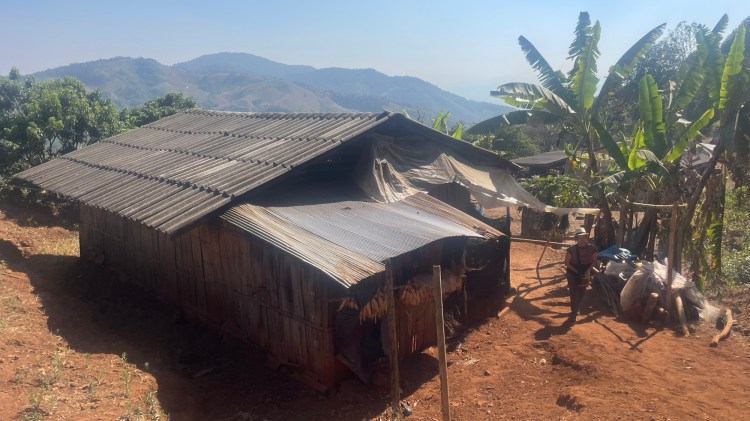
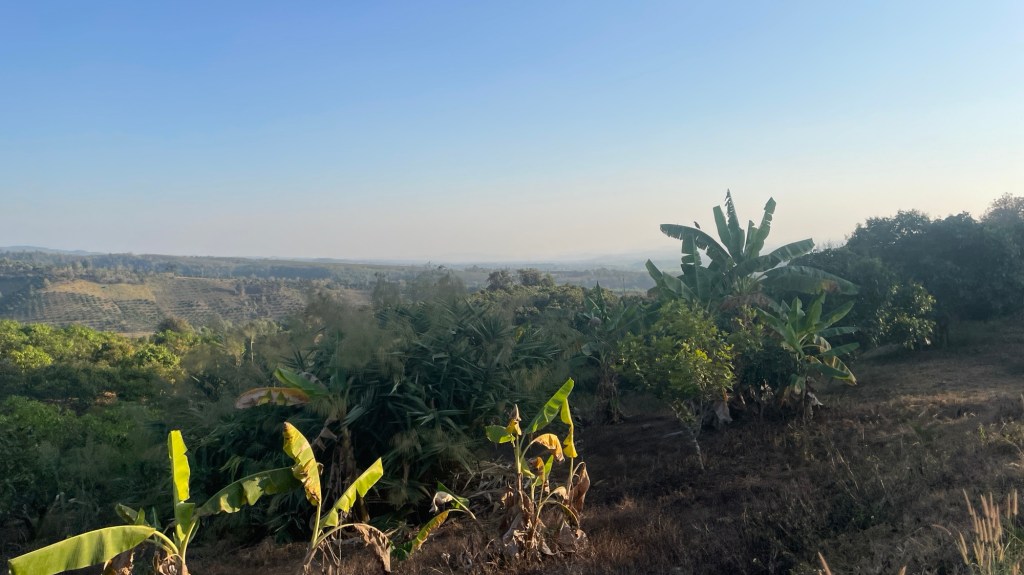
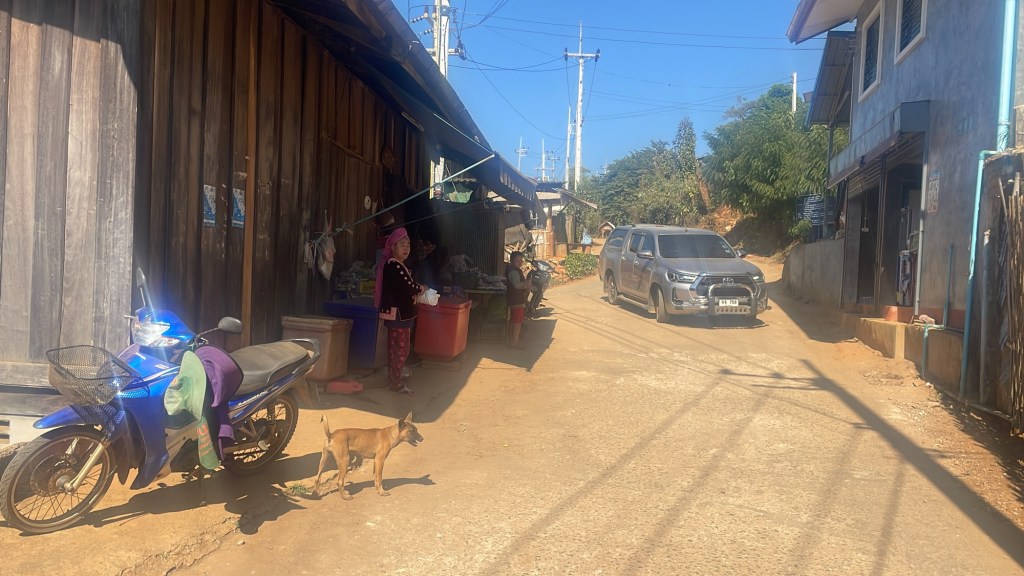
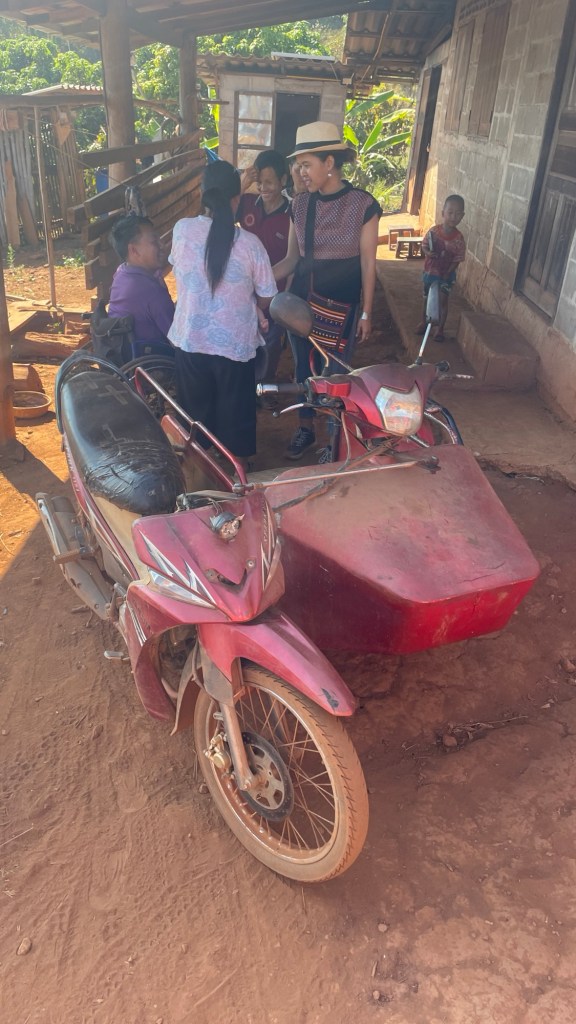
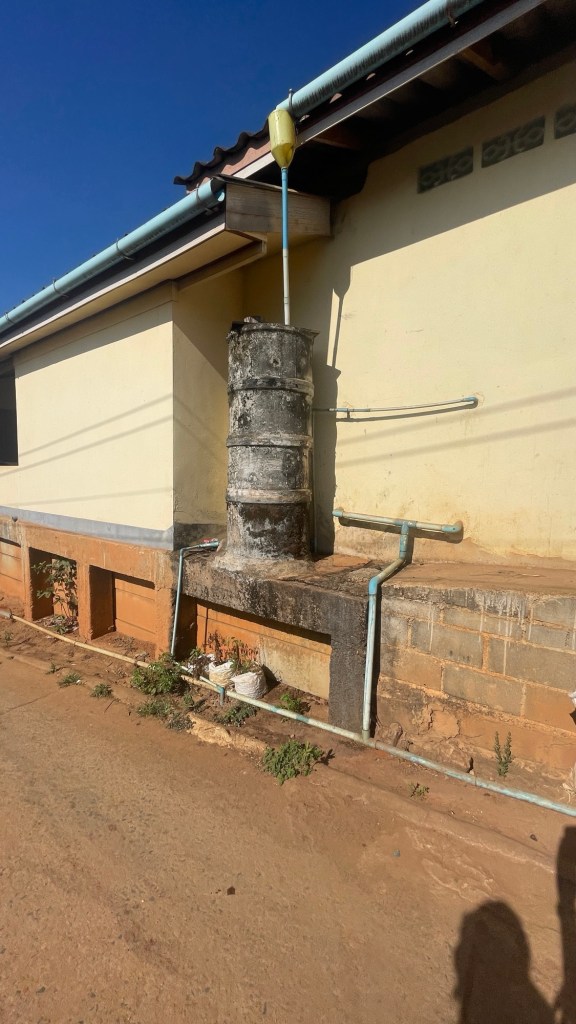
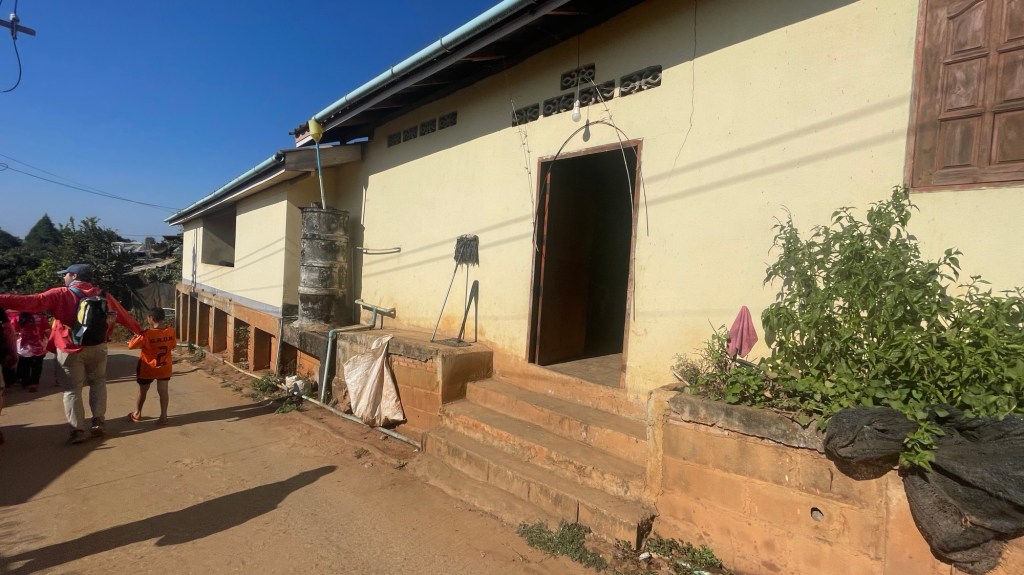
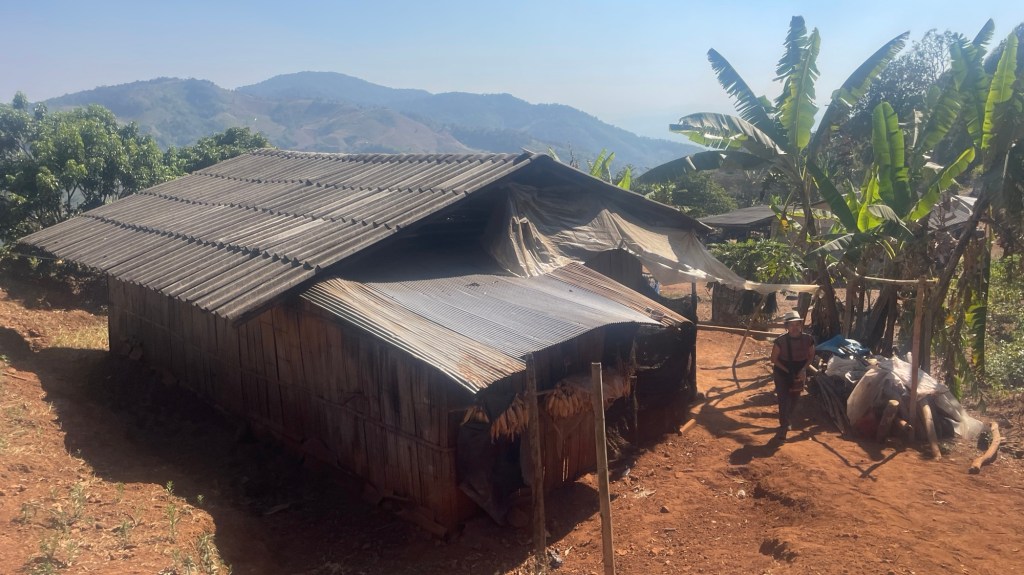
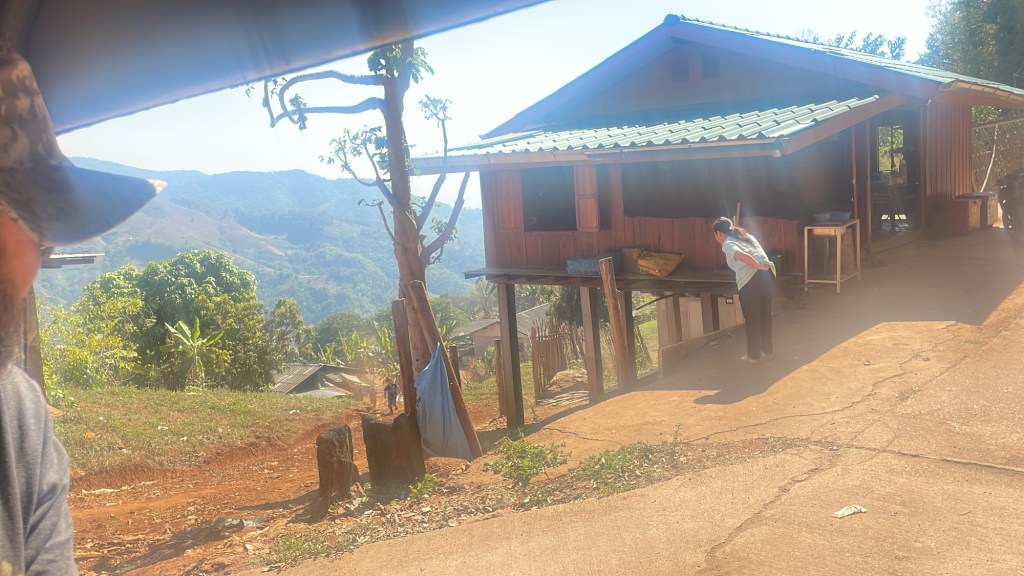
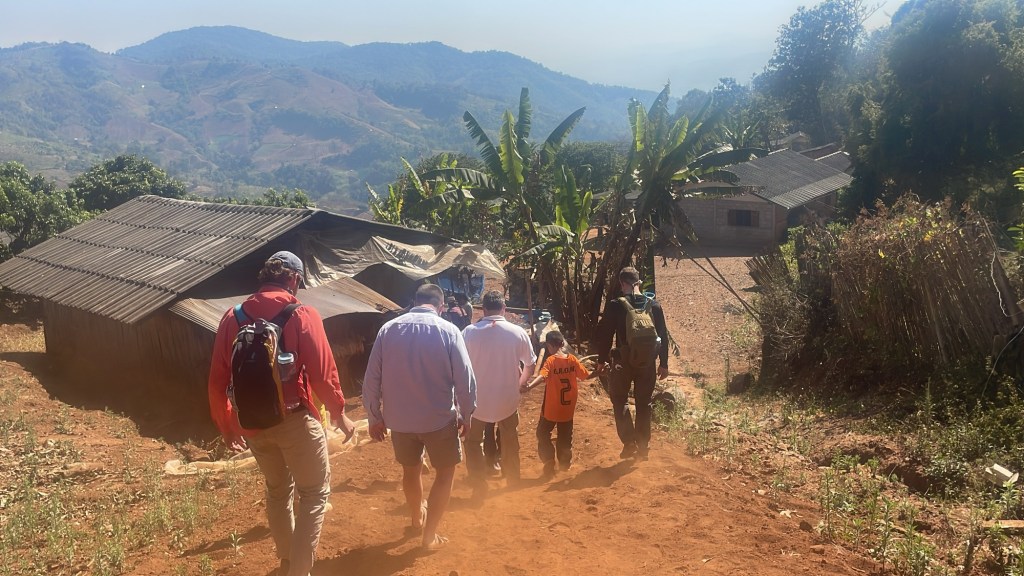
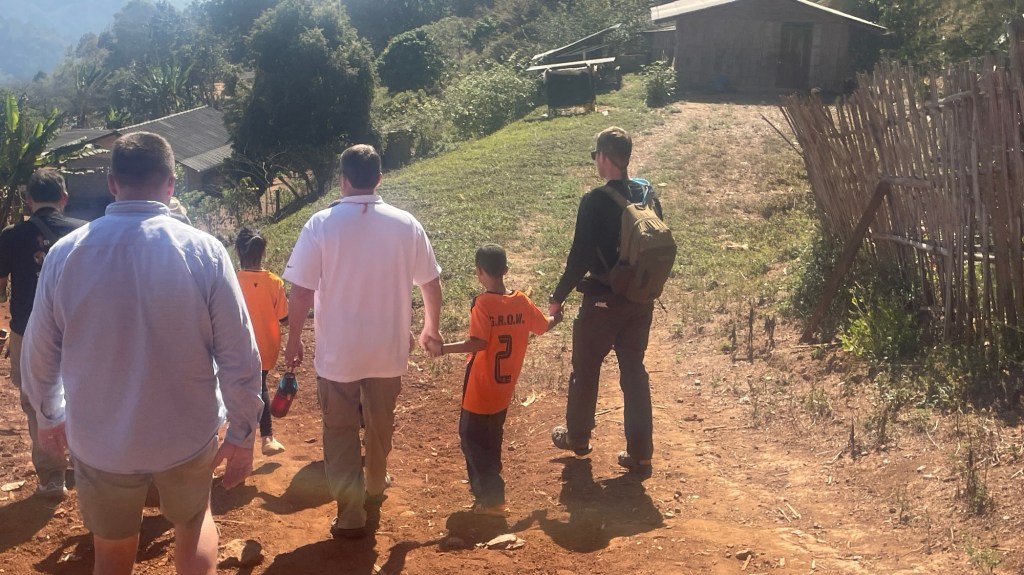
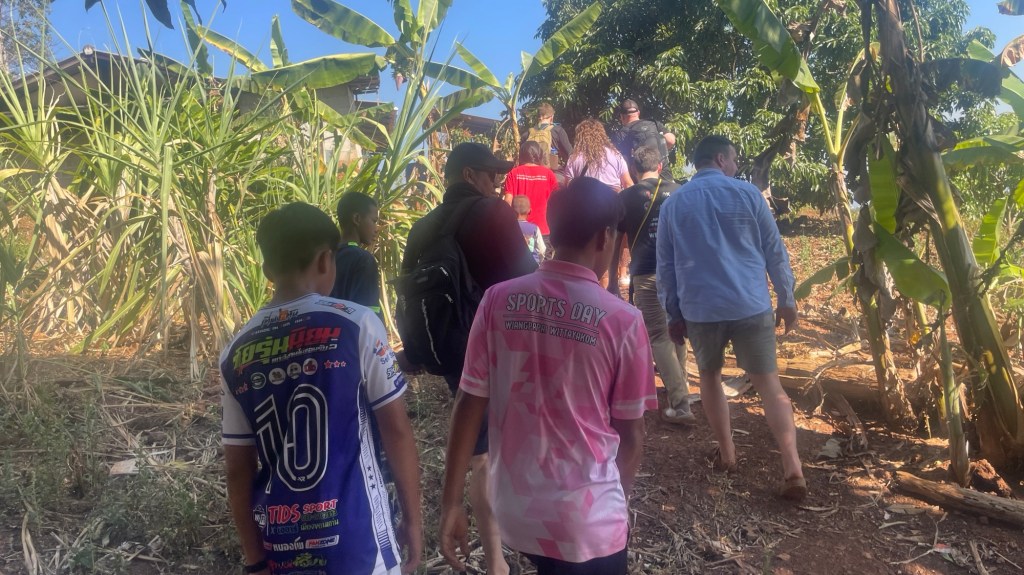
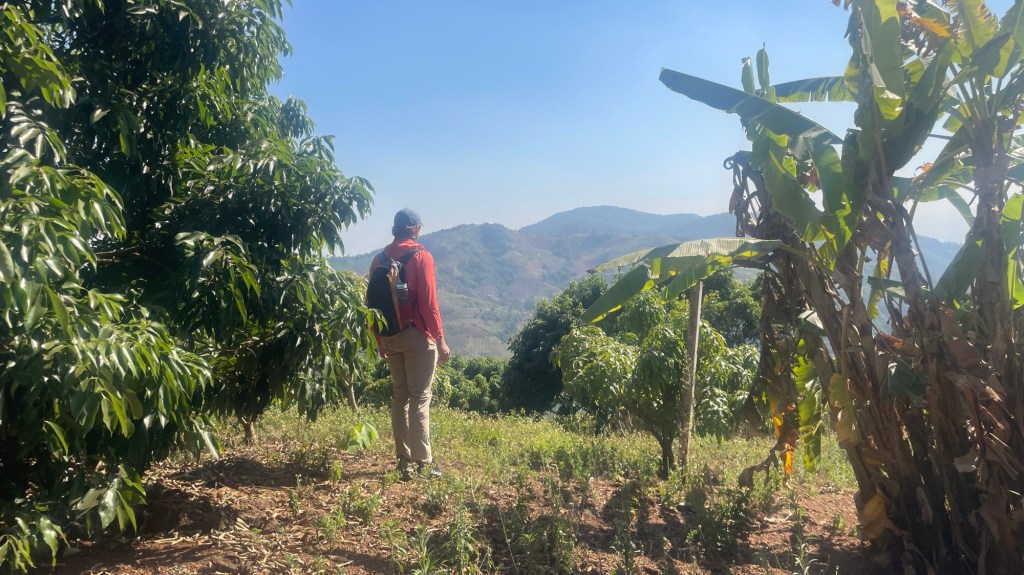
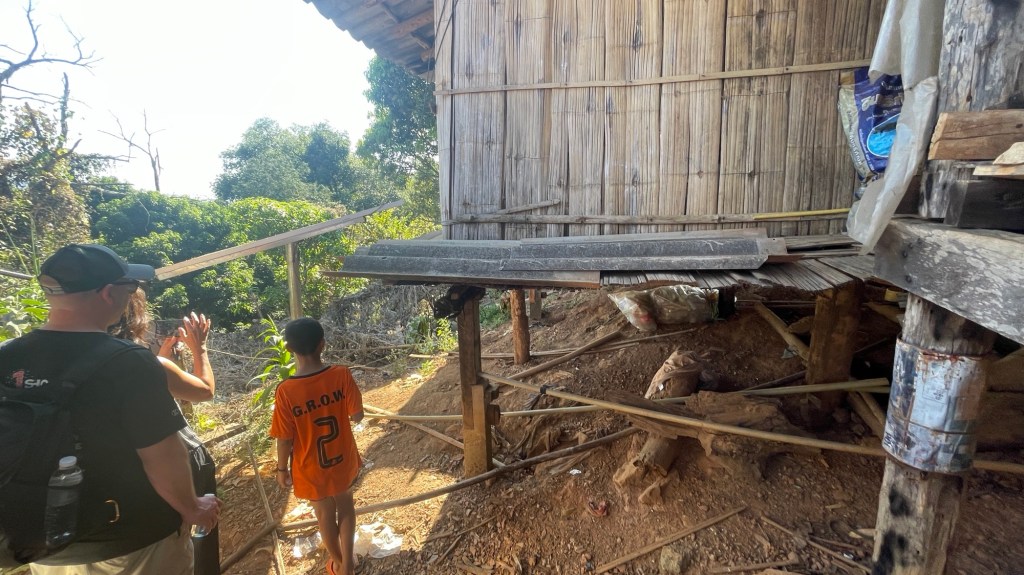
When we finally reached the top, small homes and life began to appear. In this village so far removed from civilization, there was life. Our first thought was to take in the beautiful countryside. The blue and green hues of the mountains and surrounding landscape were breathtaking. Quickly, we were taken back to reality by the excited children pulling on our arms and tugging us away. They were eager to see their families and our picture taking was keeping them from reconnecting. A few minutes later, we learned they hadn’t seen their families since October. How I wish I could give them those 3-5 minutes back. Nevertheless, they didn’t lose their joy. They grabbed our hands and we were off running and skipping to the homes they grew up in. Homes with dirt floors and no water. Homes filled with trash or various items to be saved for other uses. Homes that lacked basic necessities that we take for granted every day.
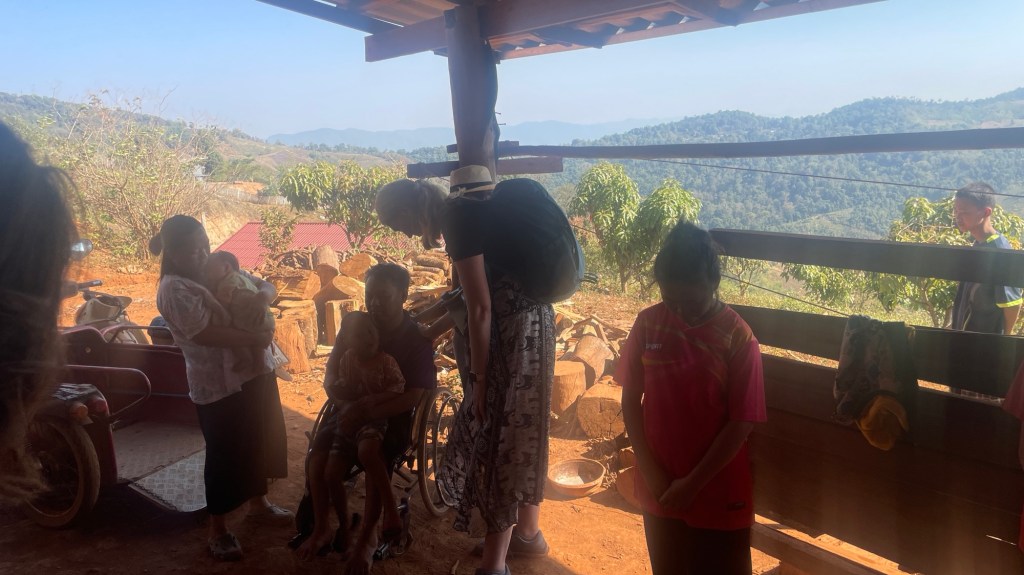
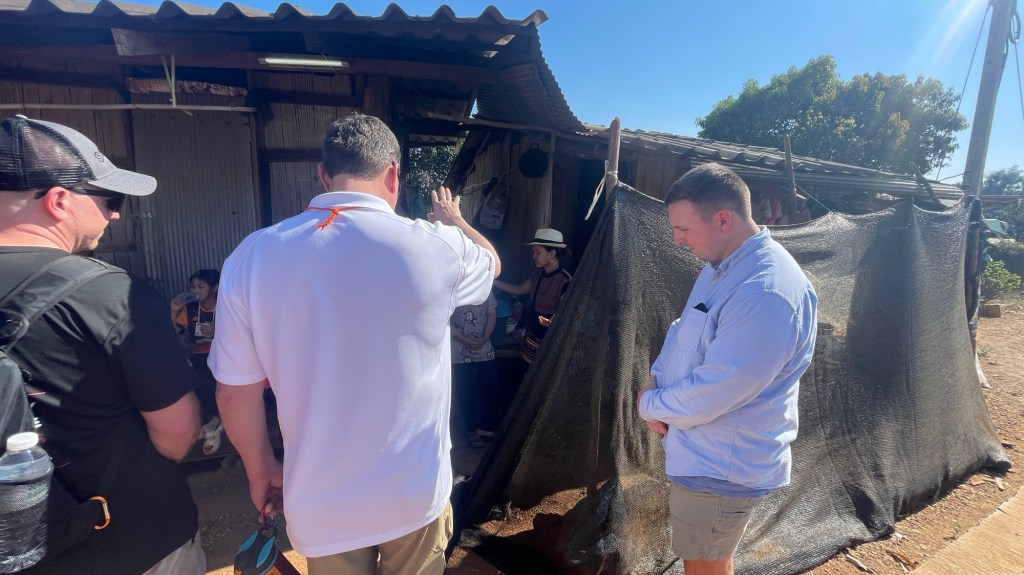
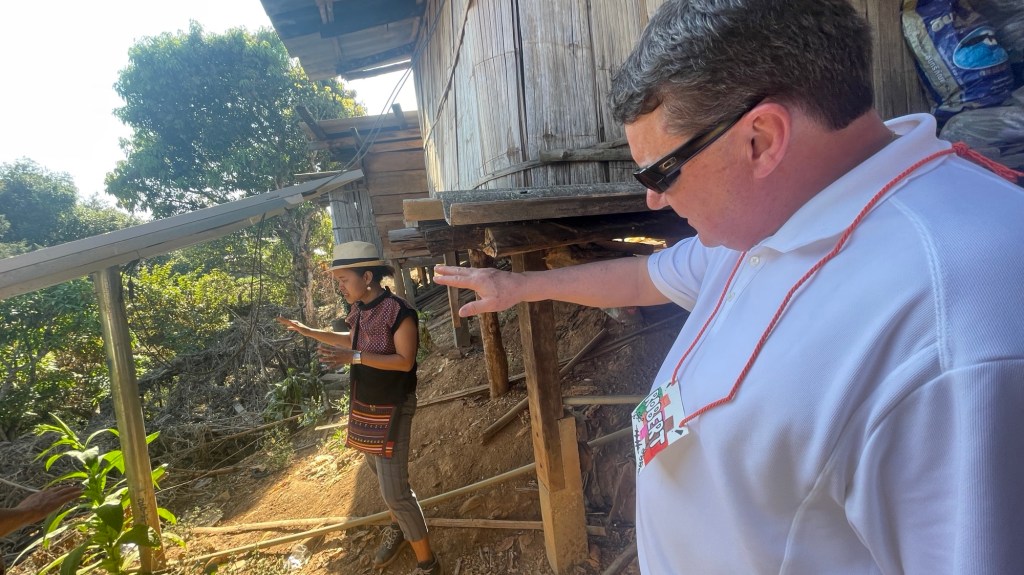
As we went from house to house on the steep mountainside, we learned of these people’s hardships. At the first home we visited, an older man was in a wheelchair with a foot that had clearly been infected. We learned his wife and three-month-old baby were sick. As I extended my hand over this man and his family to pray for healing and stability, I truly understood the need for GROW’s ministry for the first time. I saw the poverty that existed, the look of desperation, hopelessness, illness, and loss. The children in this home were different than the children on GROW’s campus. Their eyes did not sparkle. They were dirty. Tiny. So, so small. They looked sick. How I wanted to scoop up and hold each one of those children to tell them they are loved. To bathe them and feed them and read them stories. The nausea I felt back in the church that morning was now just a giant pit in my stomach.
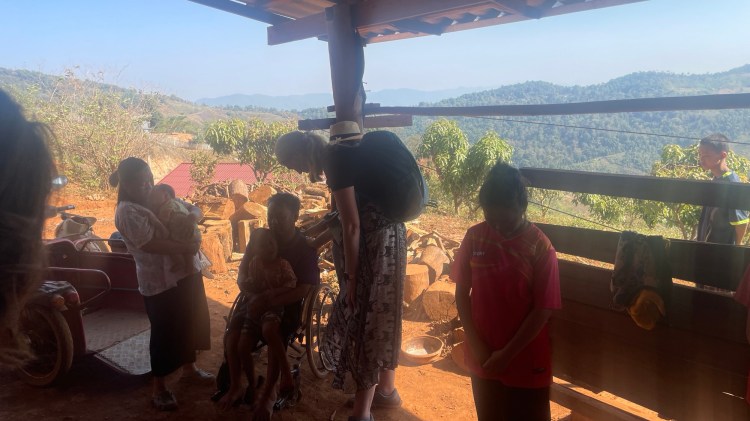
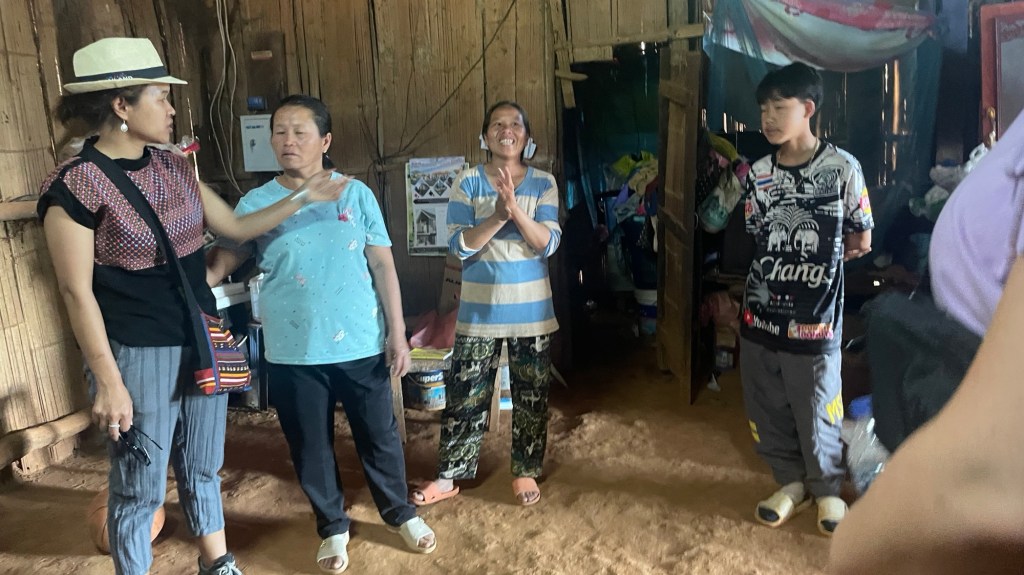
As we moved to the other homes, we met Thatsani’s parents and siblings. Thatsani had only been at GROW for about a year. She was one of the children that struck me the most when we first arrived at the mission. She stayed in the back as all the children ran to give us cards and flowers. She smiled, but wearily, and her eyes weren’t as bright as the others. Thatsani’s face was also slightly disformed, giving her a distinct look compared to the other children. It was here we learned why: her mother and father were both deaf. As she grew up living with them for the first 11 years of her life, meaning she grew up without speaking. They communicated through their own sign language, but she did not know how to speak prior to coming to GROW’s campus. Now, Thatsani speaks Thai well. As she communicated with her parents, I got a glimpse of how she spent her childhood.
The thing that struck me most about her home was not the communication between Thatsani and her parents. It was her two younger siblings that still lived there. They looked ill. The face of the little girl in a white top and red frilly skirt still haunts me. She looked so sad and dirty. Her eyes were dim. She did not laugh or play. She sat on the ground looking up at us and then would put her head back down. She did not have the joy of a child. How much she had been robbed. Her brother was no better. I remember thinking these children were around the ages of 3 and 4. I can’t recall the exact age, but I remember learning they were much older – perhaps 7 and 8 – something I couldn’t comprehend. There was no possible way in my head that an eight-year-old could be this tiny. Thatsani was 12 but so much bigger. But malnutrition is real, and these children had experienced it their entire lives. Lack of work for the parents who were deaf meant the children suffered.
I still struggle to understand how GROW and any orphanage in this area could choose which children to bring in. Why bring in Thatsani but not her siblings? How do you leave children in that situation? I know that is a hardship the staff at GROW face every day. They simply do not have the space or the means to take in all the children, so part of their program is to work with the families and send the children back home when possible. It is the same issue we face in the States with an overwhelmed foster care system, but at a detrimental level.
Here in the villages, the hill tribes are not considered Thai citizens and cannot receive papers, meaning they are unable to get a job. It is nearly impossible to provide for your family and many become farmers to provide food and income. As such, poverty is rampant and their homes were simple shelters with dirt floors, no water, no toilets, and no electric. In addition to being malnourished, education is not offered for the children outside what someone in the village is able to provide. There was lack here.
As we made our way through the village, it was a surprise to see families begging GROW to take their kids. I cannot imagine the level of desperation needed to beg someone to take your children. The sacrifice required hurts my heart to think about. They are so desperate for help and have no way out of their situation, so they are willing to send their kids with a total stranger in hopes of a better life for them. Through some reading I did prior to the trip, I know that this is often how children will end up in trafficking in these areas of the world because of a despicable person who takes advantage of a family’s desperation and promises to give the children a better life. However, Faa was well known and trusted in this village. She had helped many. They trusted her and begged her for help.
Of all the people I’d met in my life, Faa was easily the most determined. She does it all. Back on the construction site, I saw her tell the contractor he was wrong and demand a higher quality door – she did not back down. I saw her notice immediately when a child sharing a testimony was struggling and put her hand on their back for comfort and support. She was in touch with each of these 28 children in a way that any mother would be. I watched her size up these parents in the village to determine if the children should come to the home. I saw her desire to help, and yet protect everything she’s built for the children currently at GROW. And lastly, I’ve seen the goofy, sassy Faa who lights up every room she is in. It’s hard to explain someone with so much life and talent, someone who has built something so incredible and yet has bigger dreams to do more. It’s no wonder parents are begging her to take their kids; you can see her genuineness a mile away. To them, she is a refuge.
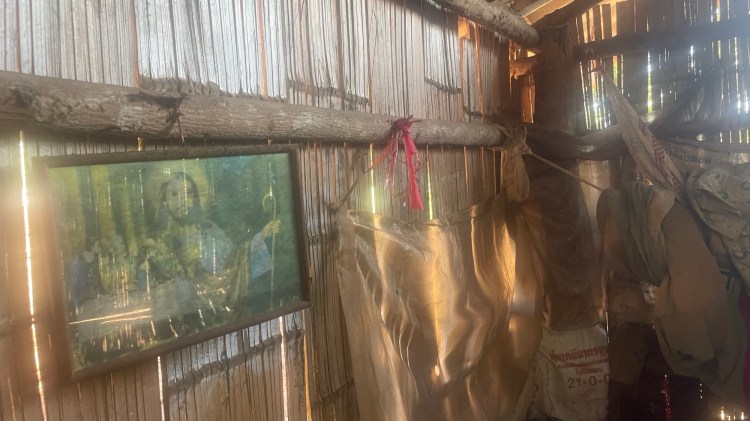
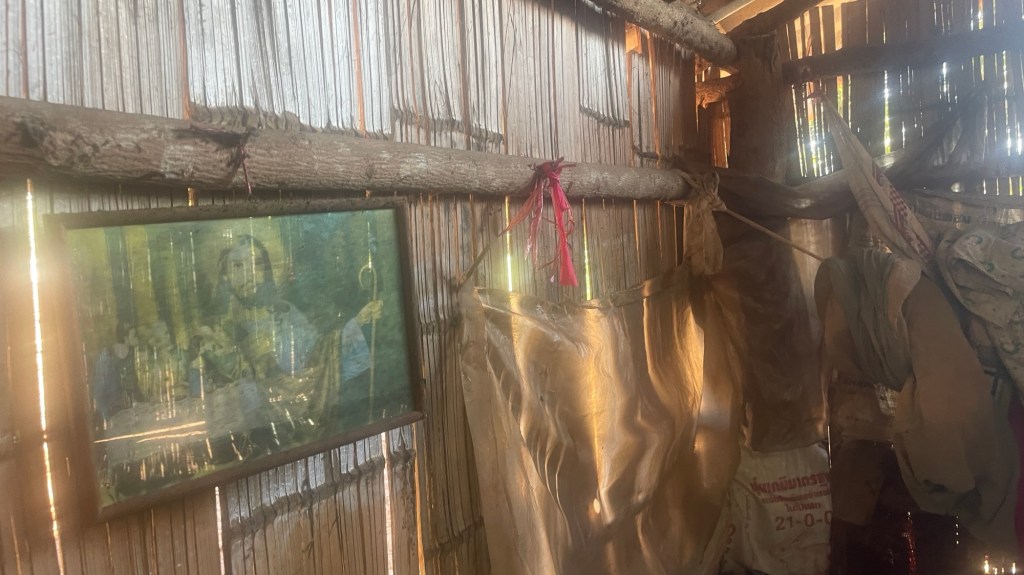
It was interesting to watch one situation enfold in a house Faa was asked to visit. The mother and grandmother begged Faa to take their son to the GROW home, and Faa was evaluating the need. The boy, however, said he did not want to go. Faa explained to us that this was common. The parents see an opportunity for a better life for their children, yet the children have to say goodbye to everything and everyone they’ve ever known. How strong they are, and how broken their situation. These families don’t have work available to make money. They don’t have water – they must have access to a vehicle to drive to get it. They have little food. How is there even life on top of this mountain? I’d like to say faith, but faith as I know it doesn’t exist here. Most families pray to animal gods or spirits. Throughout other parts of the country, they worship Buddha. Only in Thatsani’s home did I see a photo of Jesus hanging on the wall. In the rest, gold and red banners symbolizing the animals/spirts. Oh, how I wish these families knew the love of Jesus.
In this village, I began to understand the true mission of why were there. We saw the villages and situations from which the children were rescued. While GROW’s campus was special and not far off from the quality of life I was used to living in America, the villages were different. These children were rescued from abuse, extreme poverty, trafficking, and more. In these villages, we saw the desperation and the lack – of education, water, electricity, etc. – and were enlightened to the bigger picture of the children’s stories. We were given perspective.
On top of this mountain in the middle of the jungle, our team gained the perspective needed to serve to our fullest potential. It gave us the drive behind our work that week and why we were there: to give more children the ability to have their basic needs provided for and receive love for perhaps the first time.
Let’s Pray:
Jesus, today I pray for these families in the villages. I pray that you offer work for them to be able to provide for their loved ones. I pray you break any addictions that are keeping them from prospering. Today, I pray you heal both physical and emotional wounds that are binding these families. For the healing of hearts and relationships, and that they may come to know you. I pray for these children – that they may be able to experience the joy that should come with childhood, that they know love, and that they may break the cycle of poverty and abuse. I pray that their basic necessities be met and that the right people help the entire village to prosper. Lord, I pray for endurance when they feel like giving up and life is too hard. I pray for courage, fortitude, and grit. Give them the capabilities to change their lot. You are the God who parted the Red Sea, I know you can make waves here too.

Discover more from Journey to Jireh
Subscribe to get the latest posts sent to your email.
