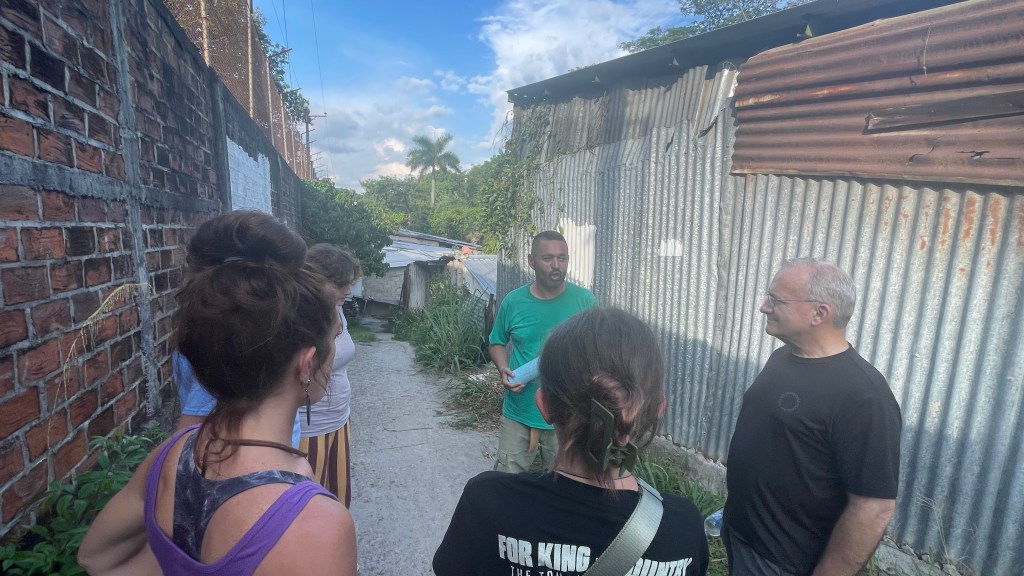
El Salvador is a bit different than I imagined. In one sense, it’s more developed and there are more amenities than I expected. On the other hand, when we turned down the alley and saw the slum community last night, my heart broke. It was more in line with what I expected so it didn’t shock me quite as much as some others in our group. I think seeing the footage and hearing the experiences of my coworkers in Mozambique prepared me for that moment.
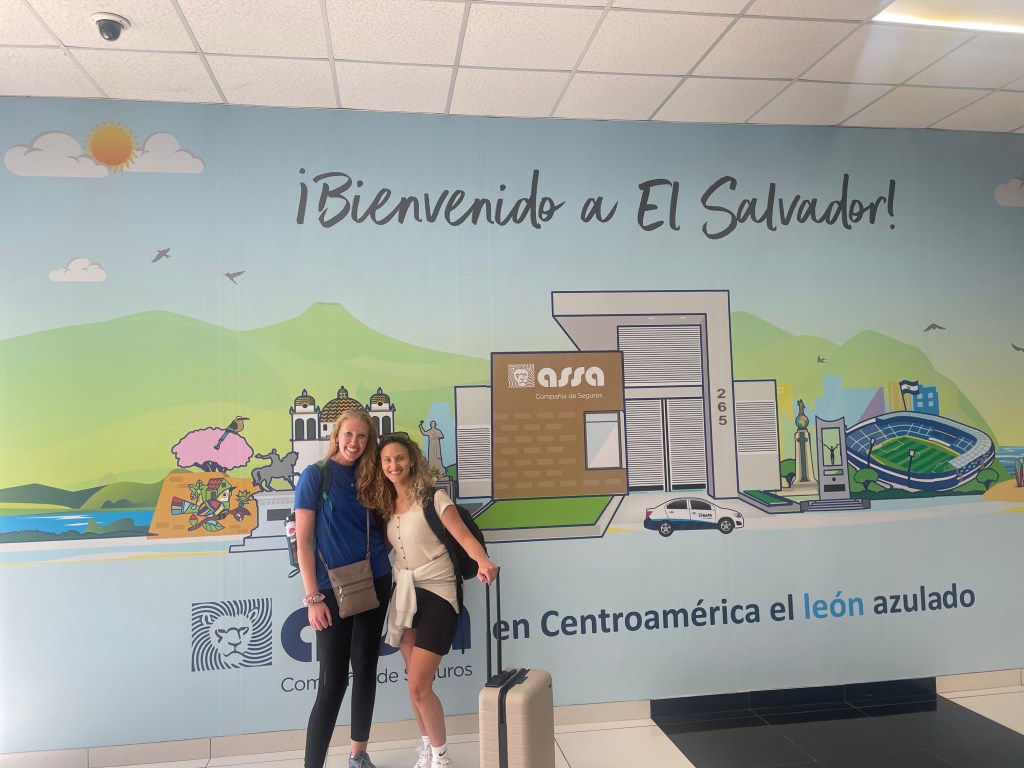
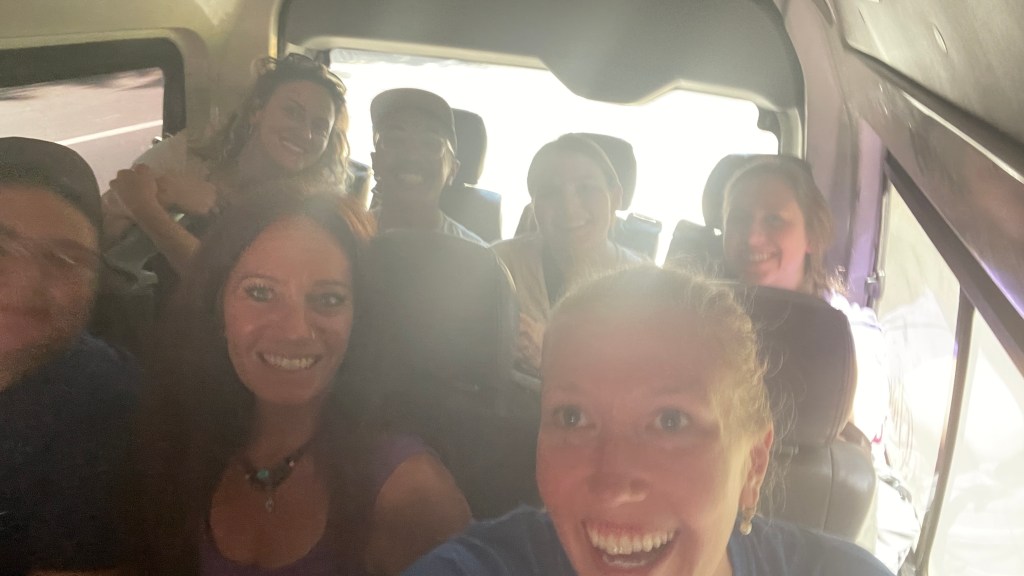
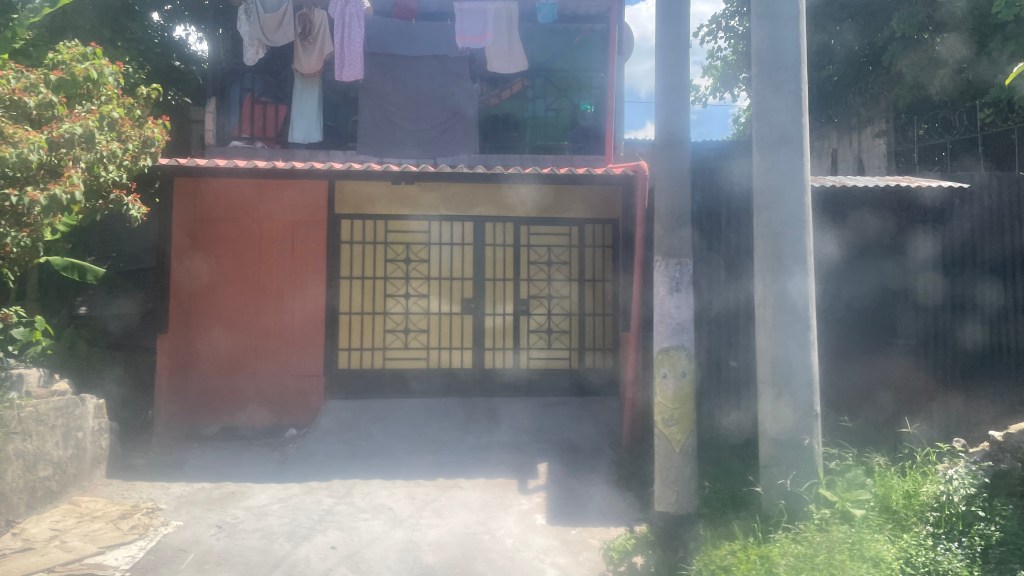
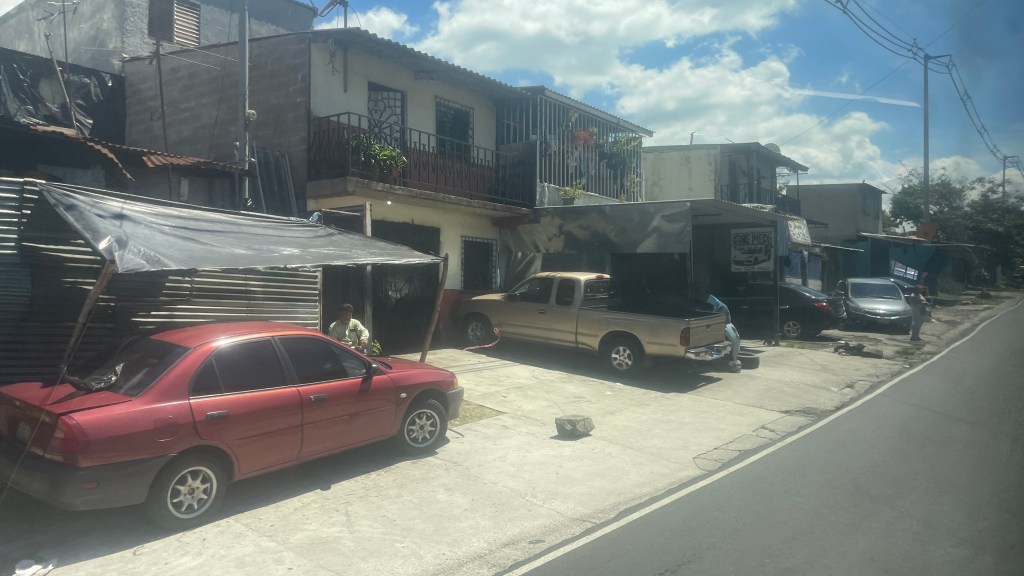
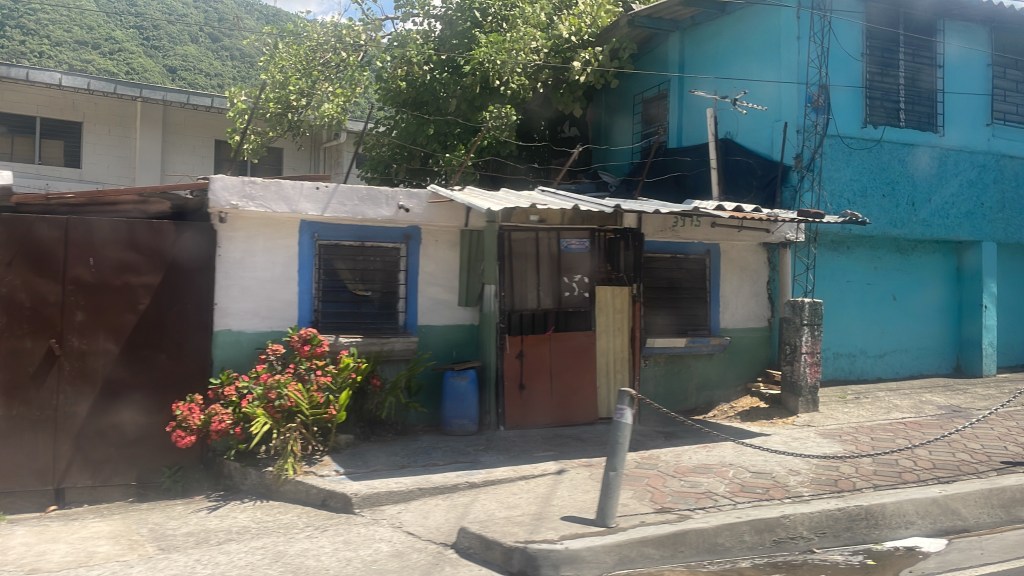
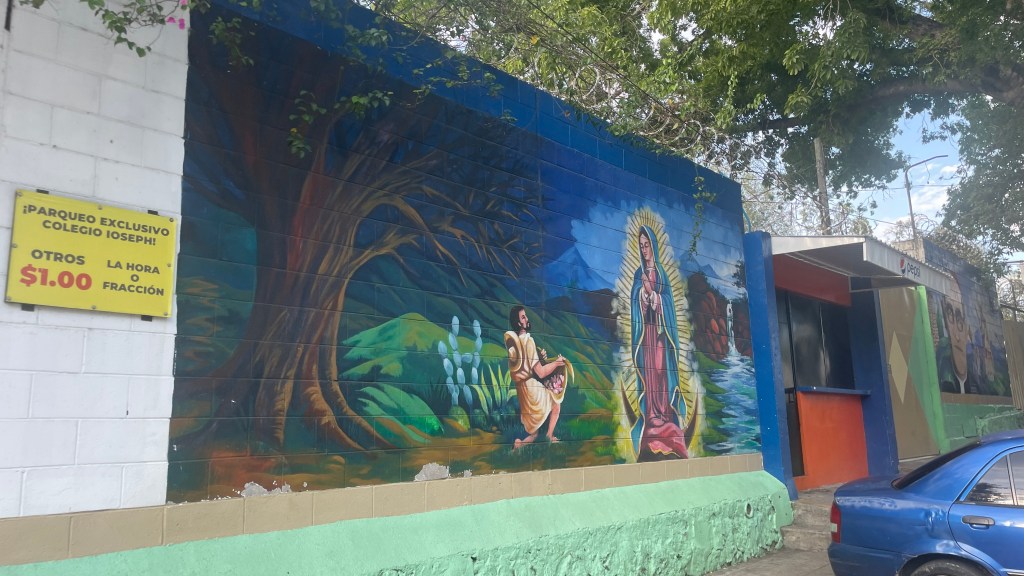
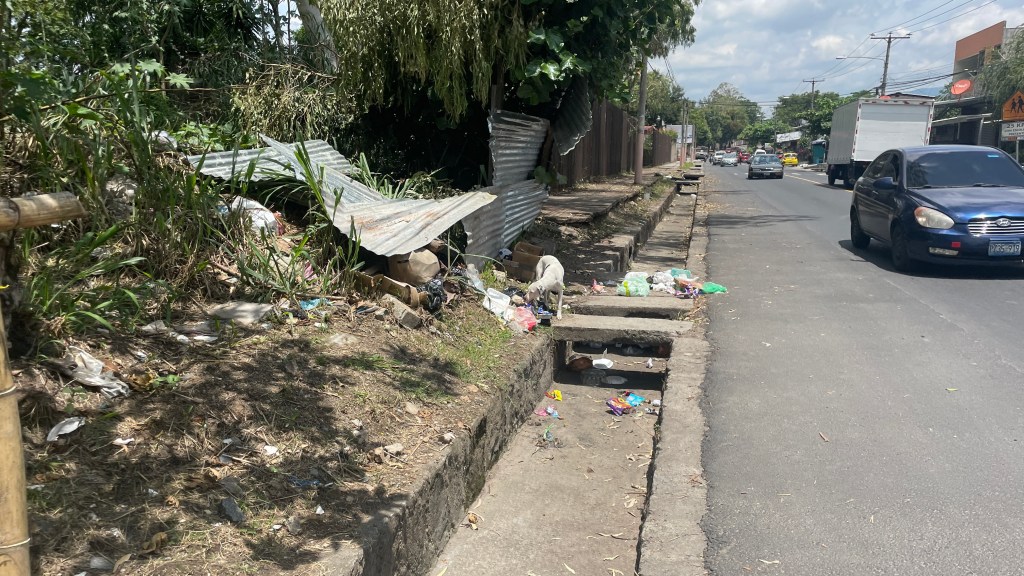
Upon first arrival, on our drive from the airport to the Mission house, we were able to see the beautiful landscape of the country. Mountains and volcanoes flew by as we traveled in a 16-passenger van with little-to-no air conditioning. I couldn’t quite wrap my mind around seeing palm trees right next to the mountains — those are two things I have associated very far apart back in the U.S. My face was glued to the window as we passed more stray cats and dogs than I could count. As we entered the city, I was surprised by the number of buses and motorcycles, colorful metal homes and both merchants and laundry that lined the streets. The city was dirty yet filled with the most colorful flowers growing out of the side of a metal home. The side streets were nothing but high walls, gates and barbed wire meant to keep people out, but the markets and city centers were full of life. I learned throughout the week that there were full communities behind those gates; there were homes and schools and community centers. Yet from the outside, it felt a bit like a prison passing the high walls and seeing very little. Though I was deeply motion sick — unsure if from being in the back of the hot van or the absolute chaotic way of driving that is the Salvadoran culture — I could not peel my eyes from the window and the peculiar scenes.
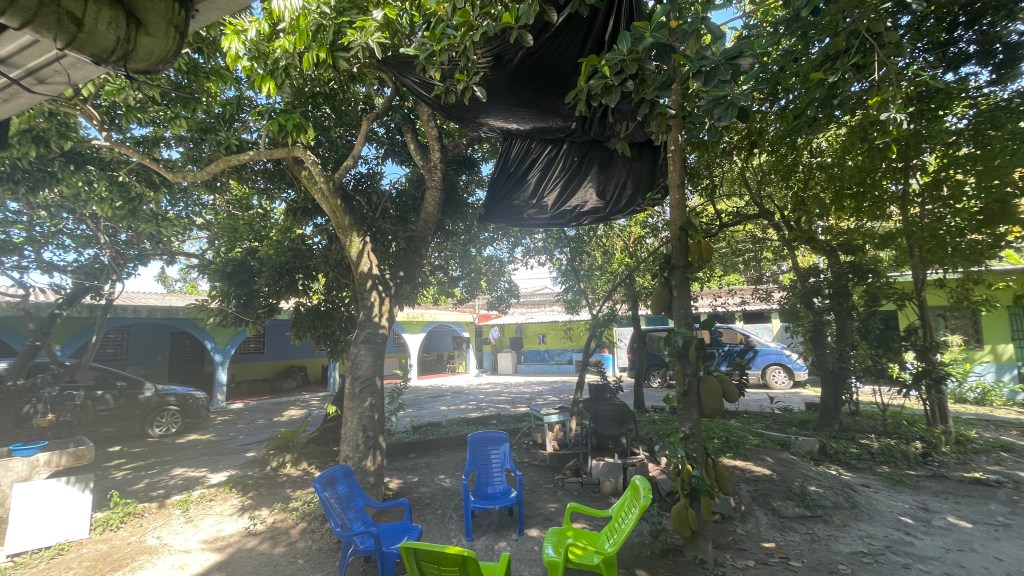
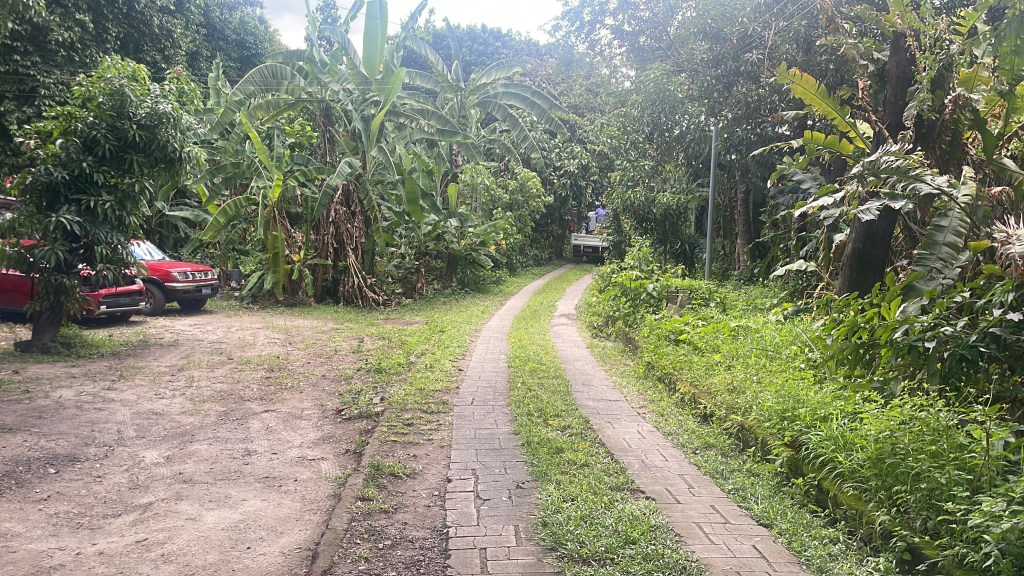
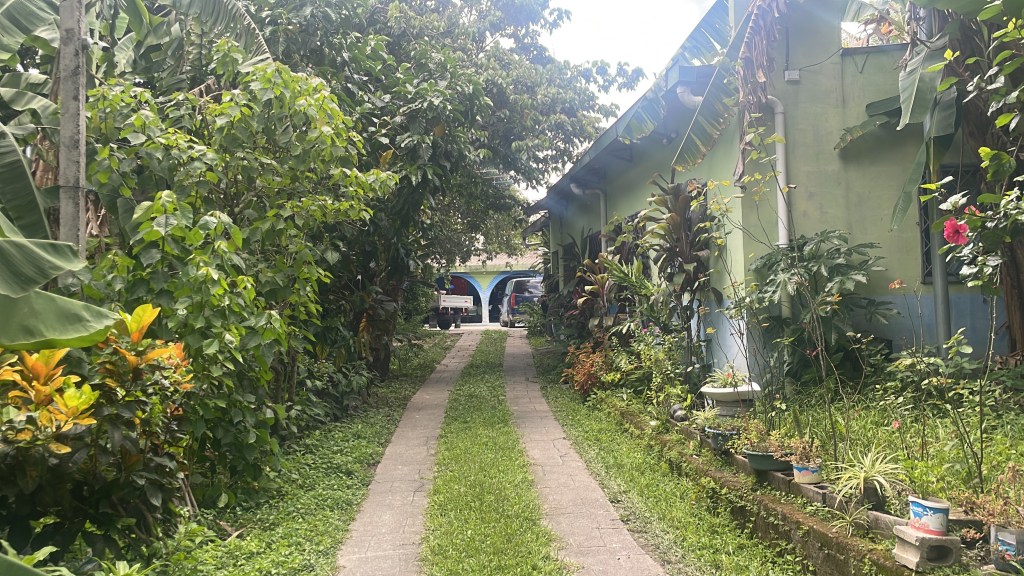
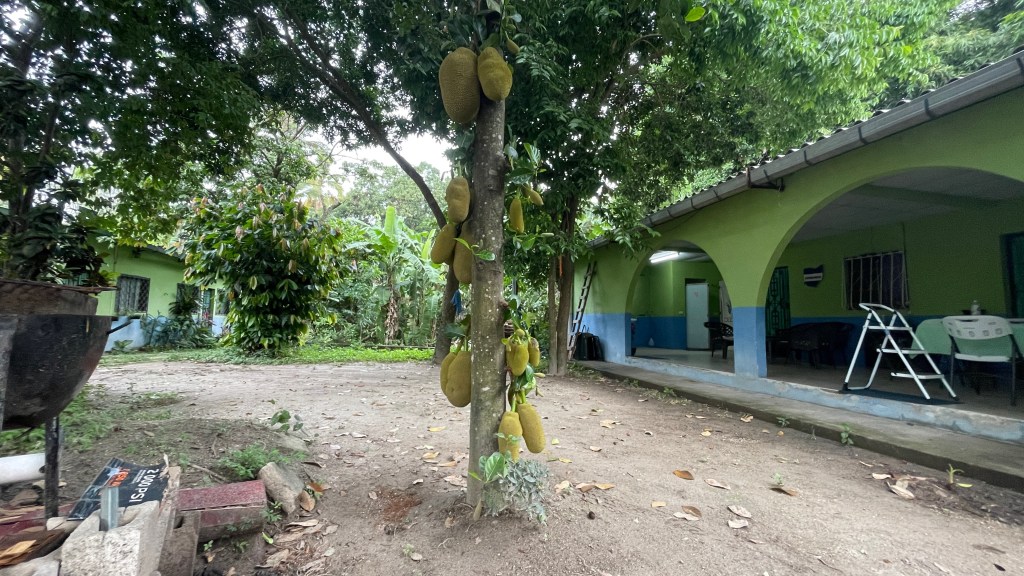
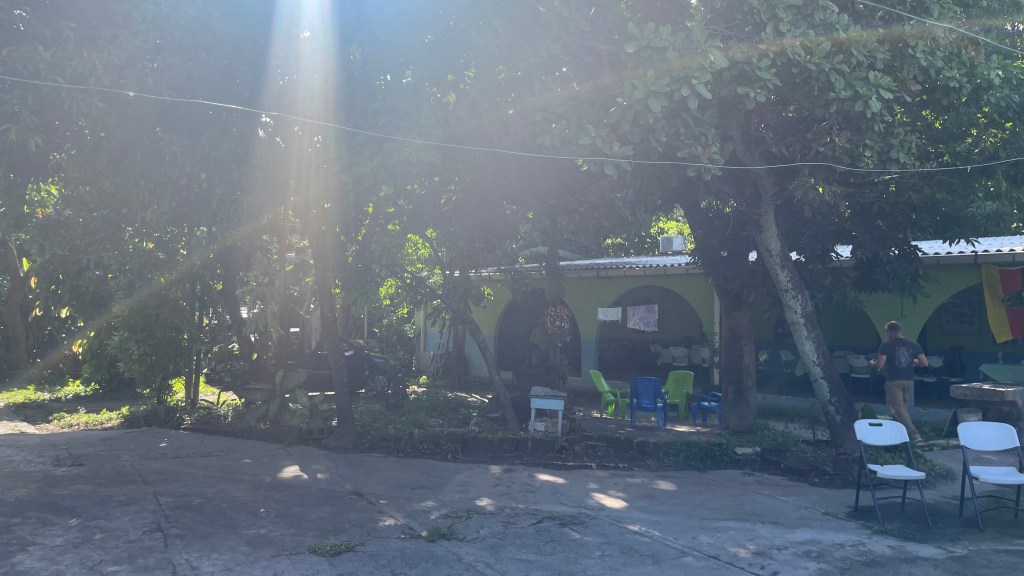
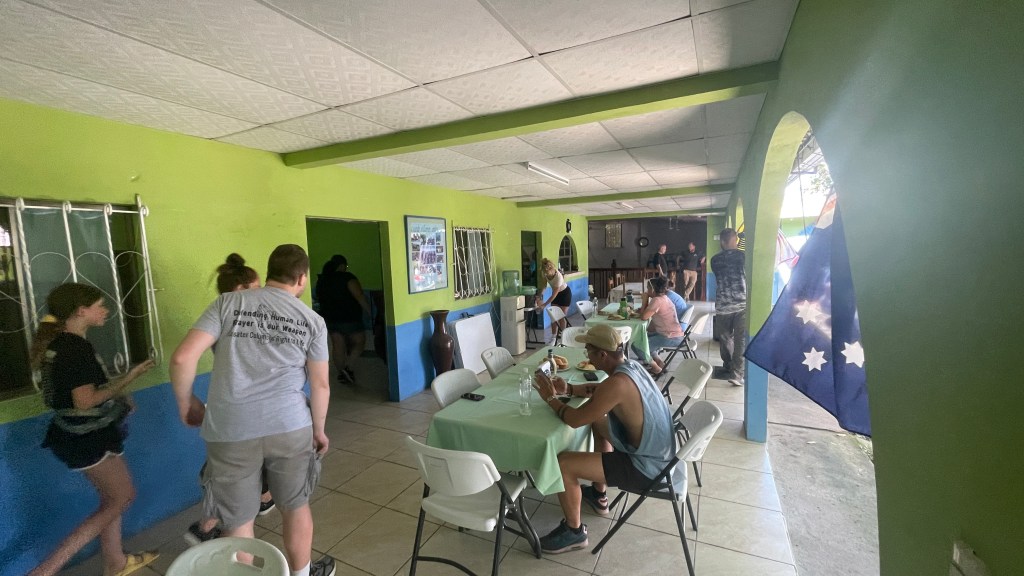
When we arrived at the Mission house and the gate opened up, it immediately felt like a resort/retreat home. The bright green and blue hues of the house mixed with the greens of the trees and tropical feel of the jackfruit had a serenity about it. Those feelings were amplified meeting the CEDEINFA team for the first time. Their spirit was immense and they welcomed us with food, hugs and prayer.
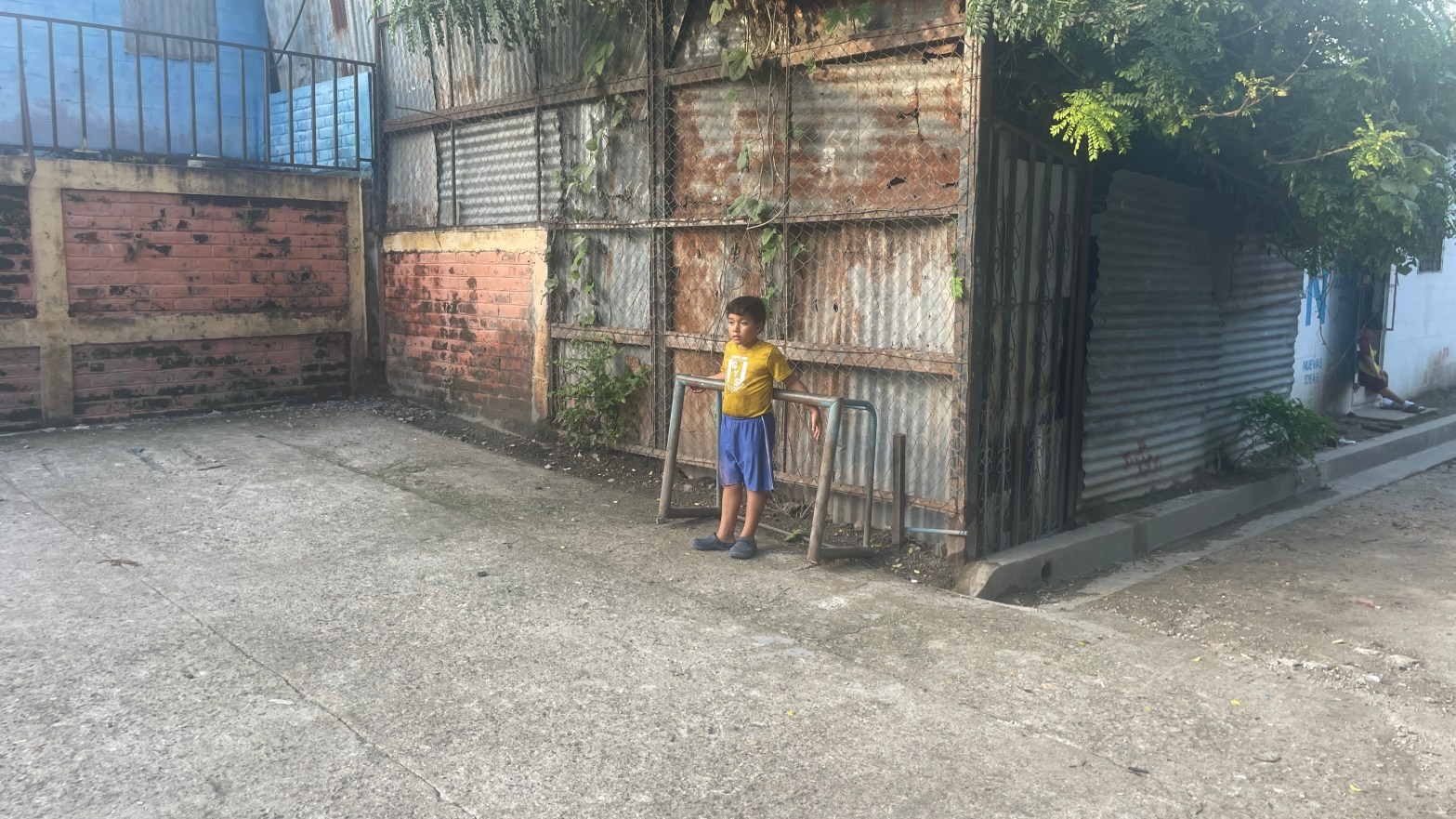
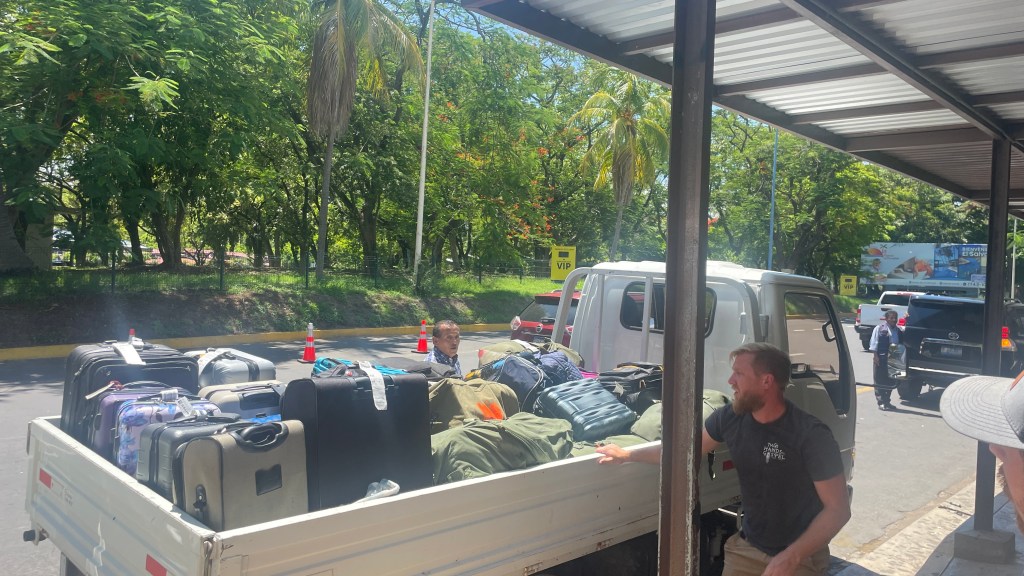
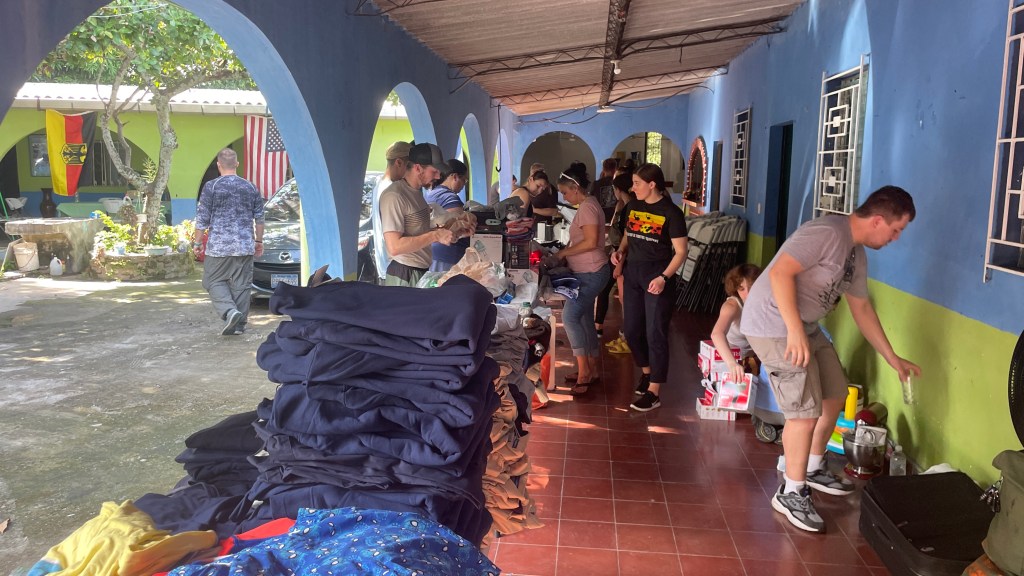
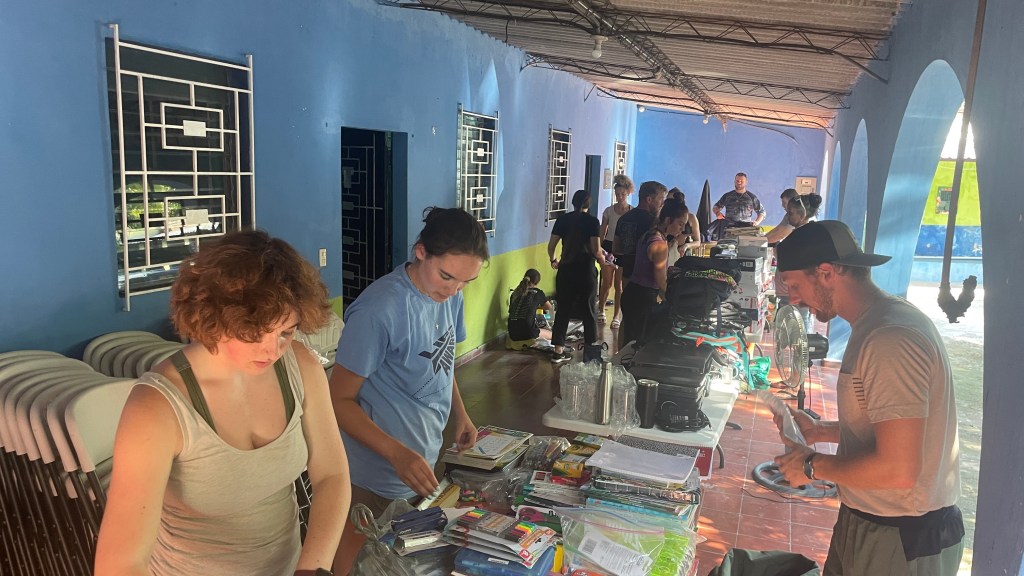
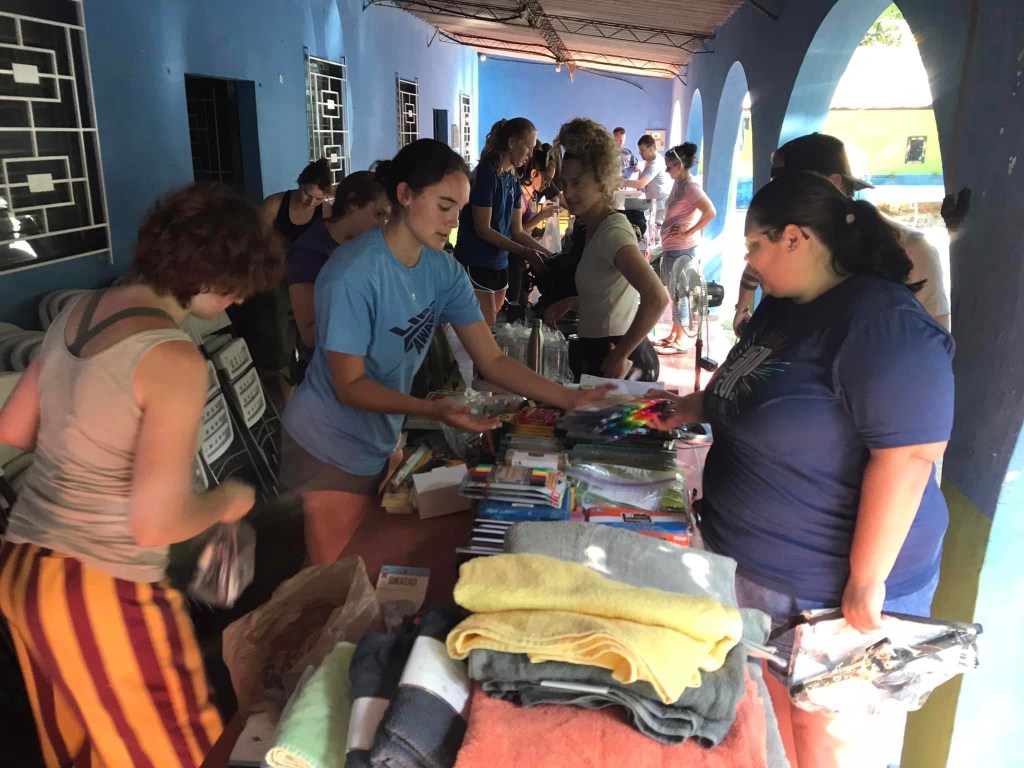
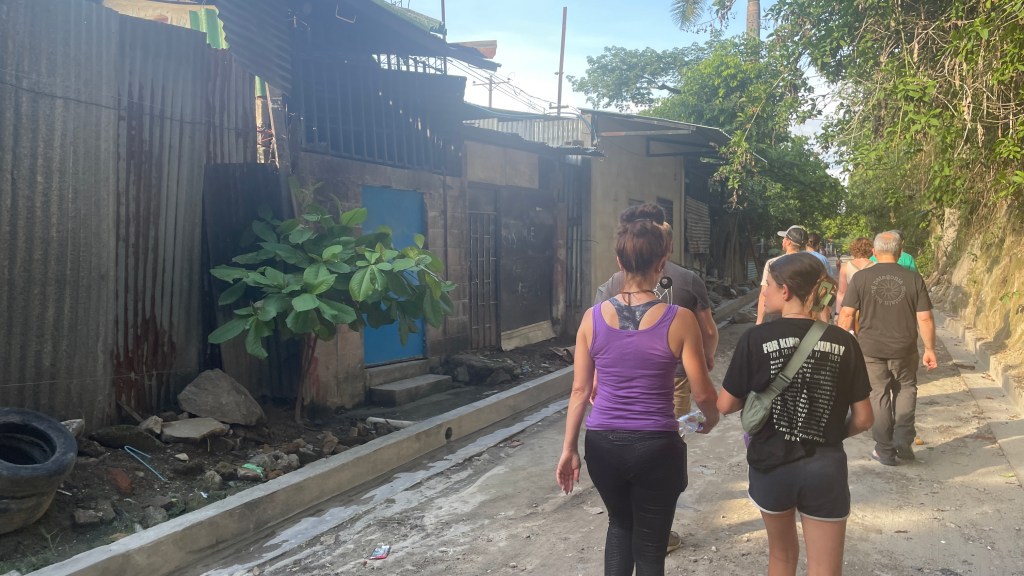
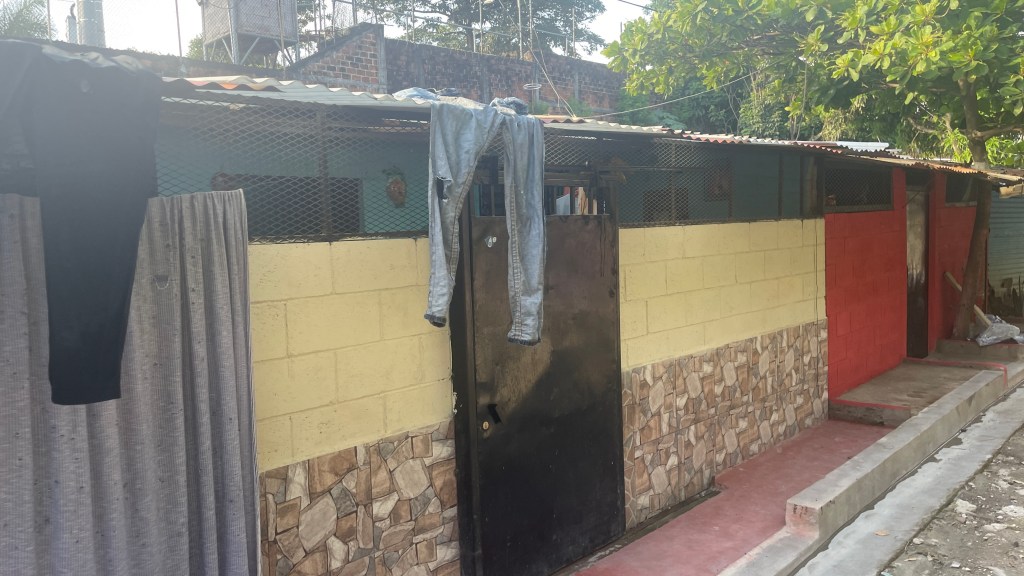
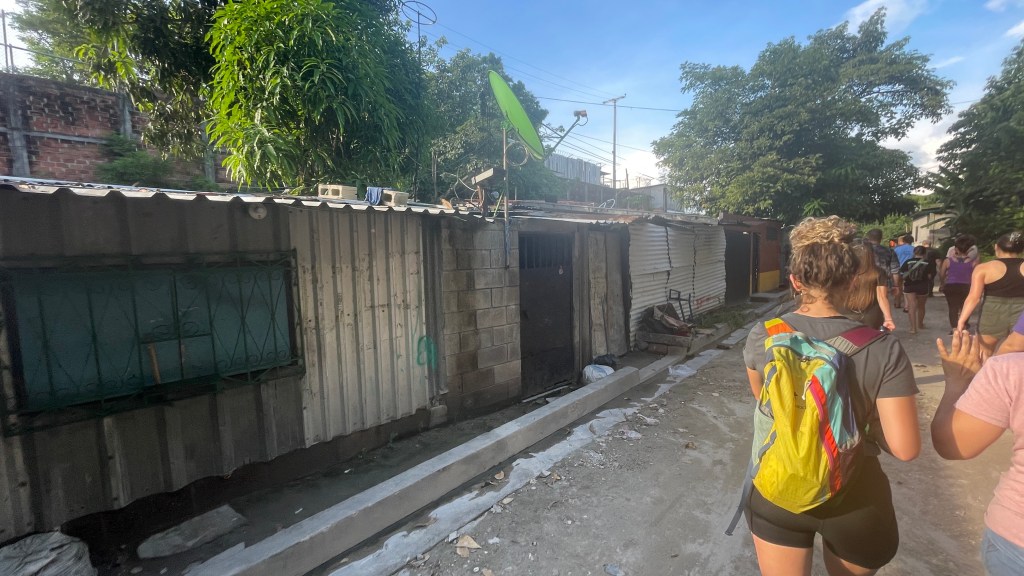
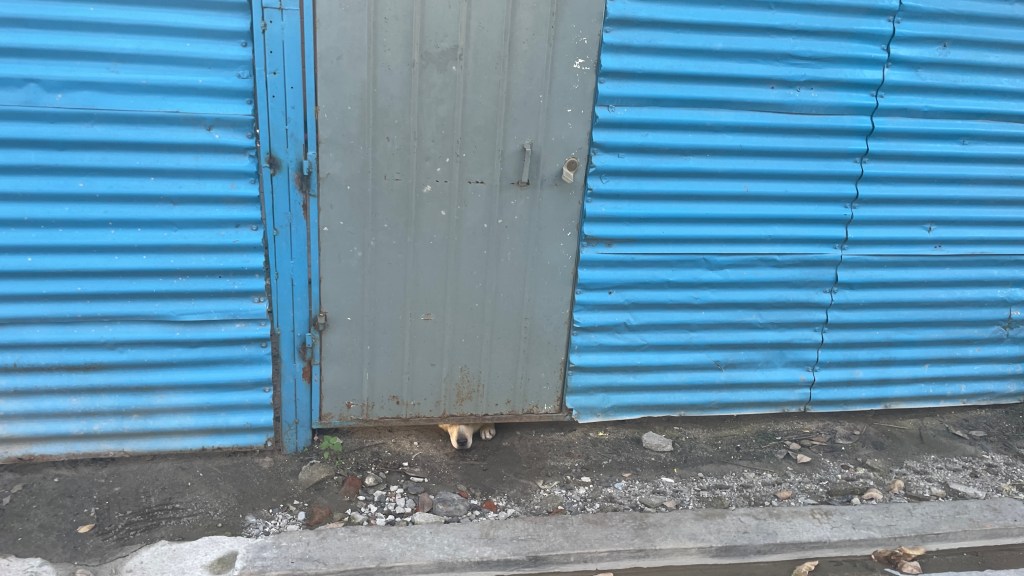
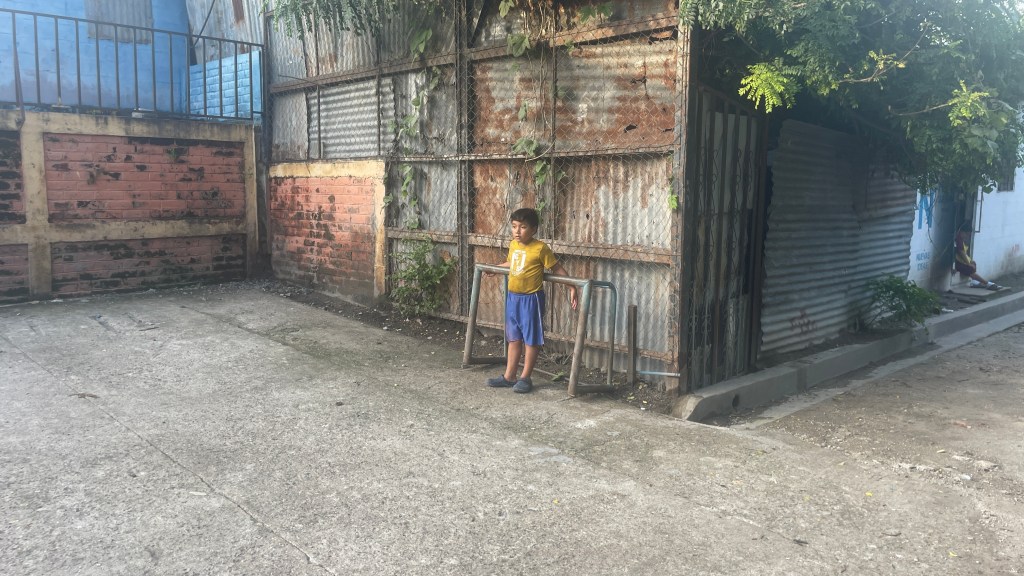
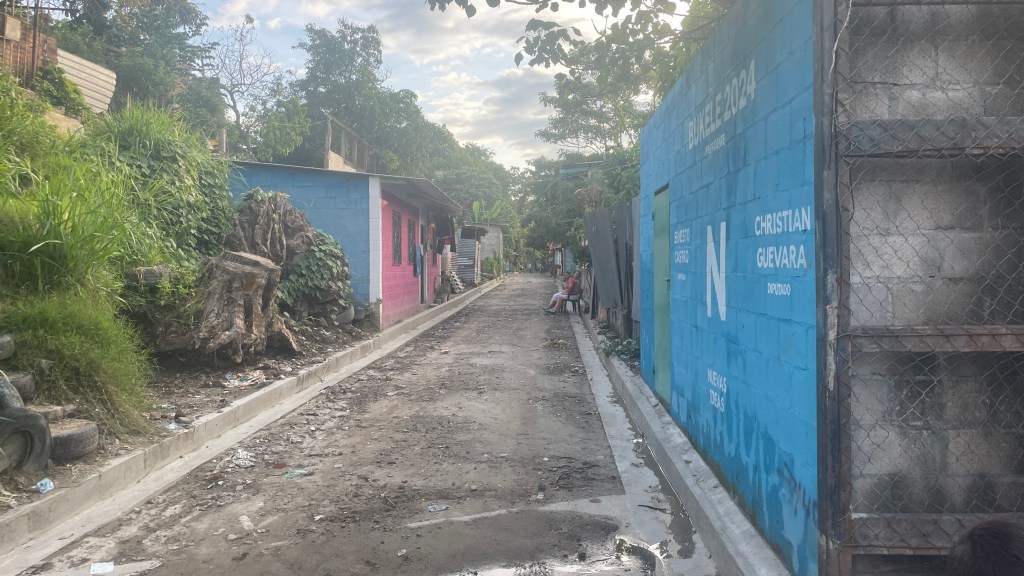
After lunch and sorting through the 16 army bags of donations and 26 laptops we brought with us, we headed to Rosa Virginia to see our first community. The drive there was again stifling and, once again, I was surprised at the houses and businesses I saw, for I was expecting to see deep poverty. As we piled out of the van and began walking, Daniel (the founder of CEDEINFA) turned down an alley. Little did I know that this alley was actually the Rosa Virigina community. It was public land that people without anywhere to go set up homes. The houses were the same height as me, 10 x 10 at best, with scrap metal on the roof and sides. I have to imagine that if you turned over a large dumpster in the U.S. it would be bigger and stronger than some of these homes. But as we walked by, we began to see curious faces popping out, and even the nose of a dog sticking out the door.
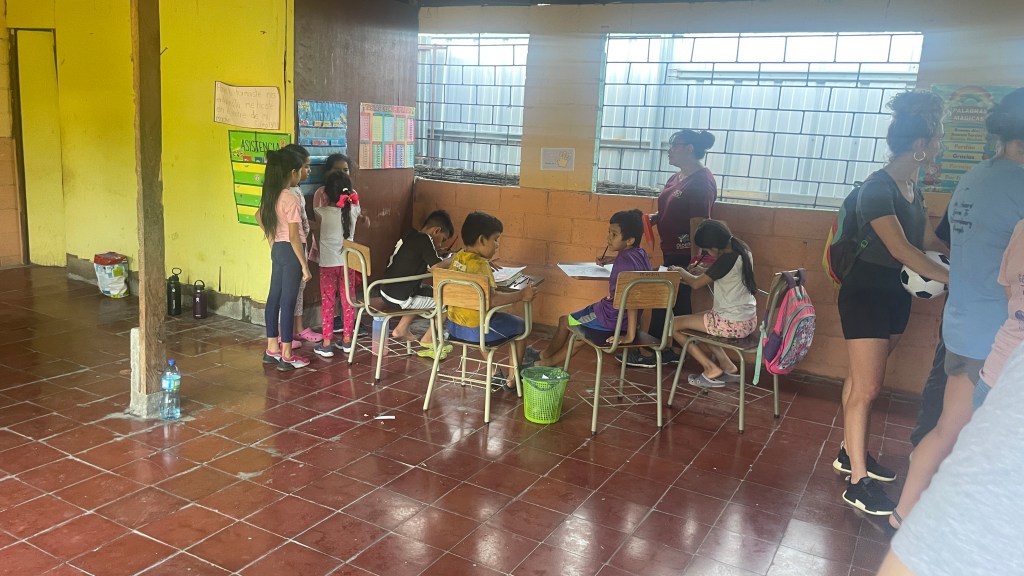
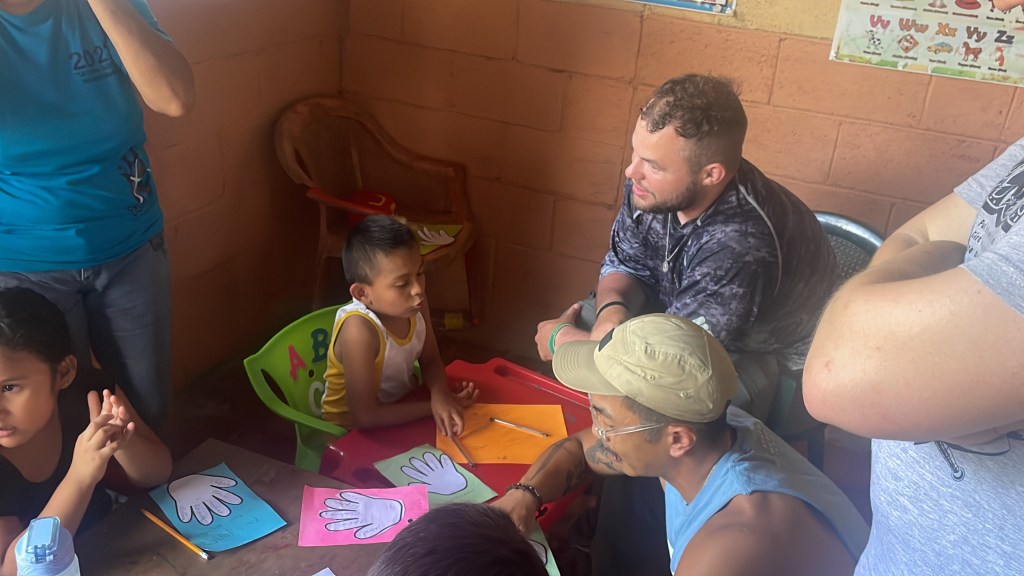
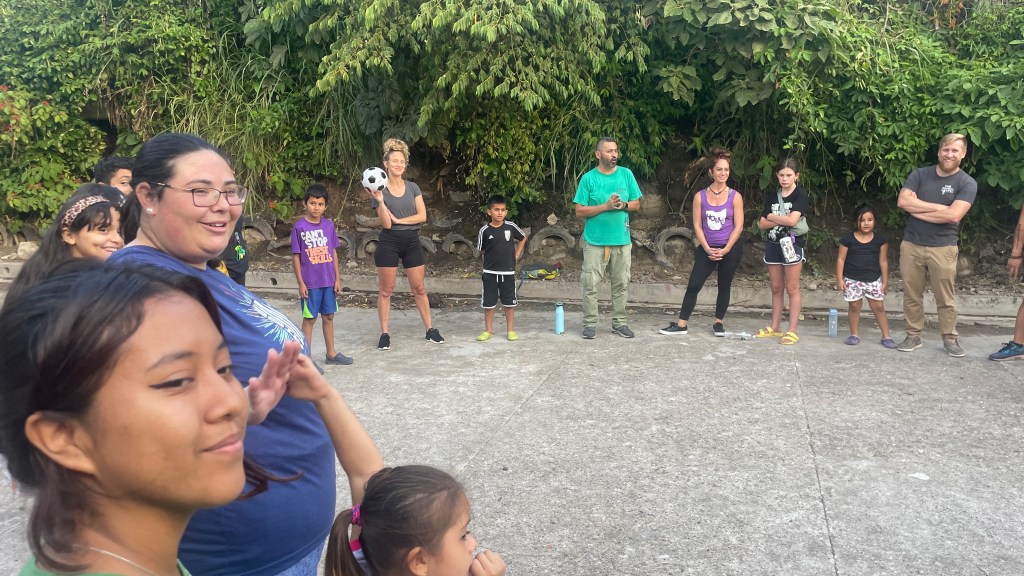
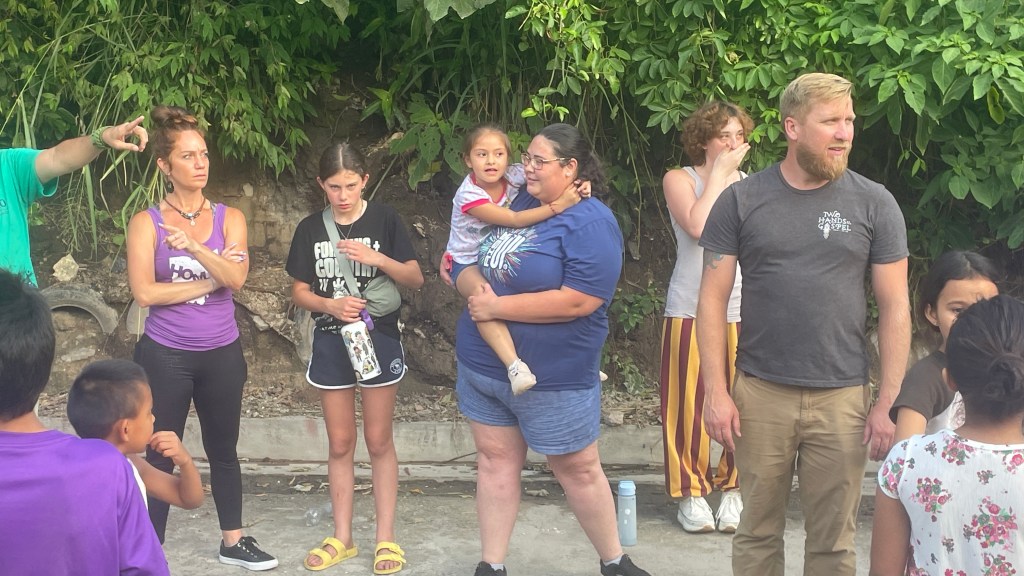
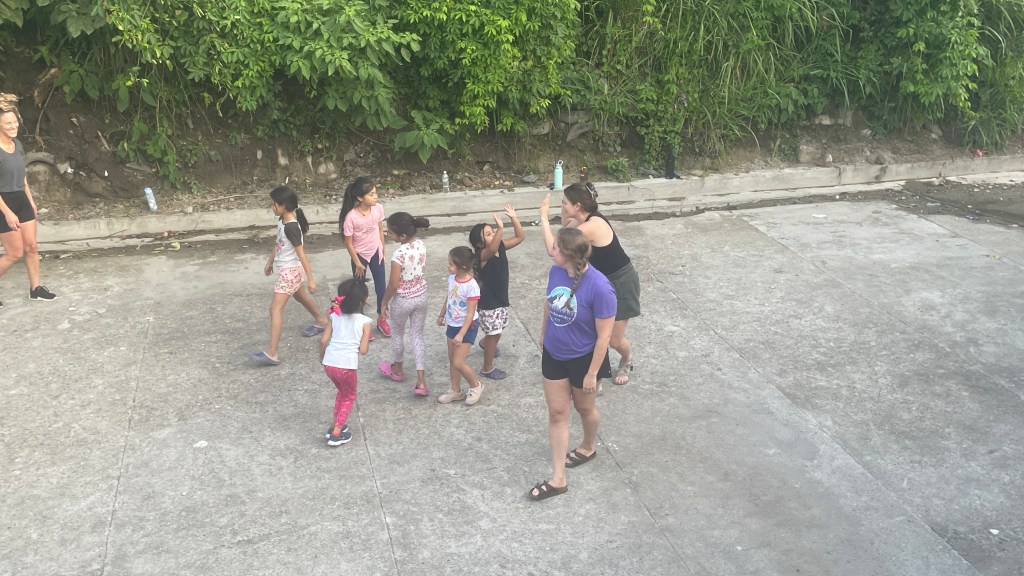
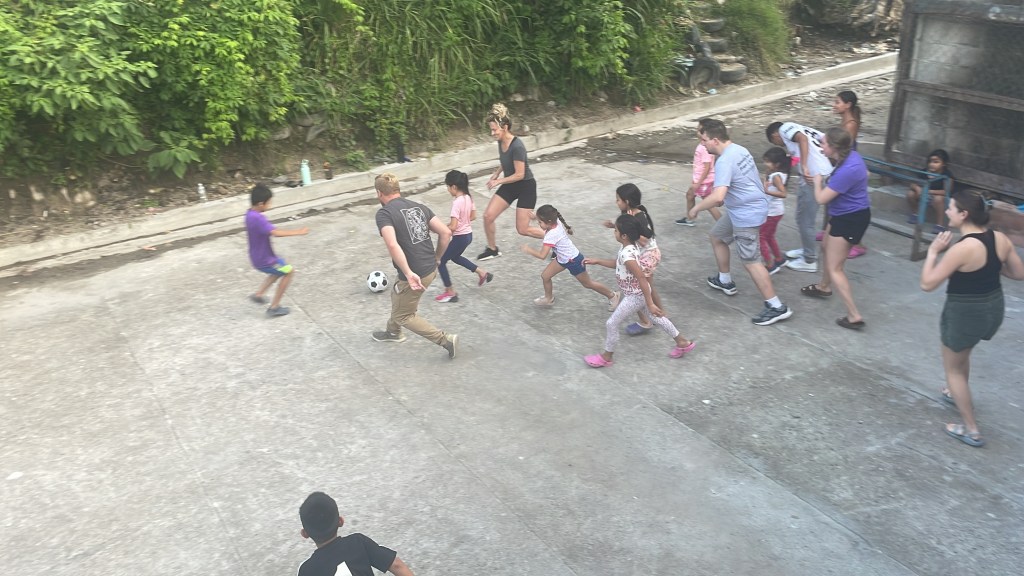
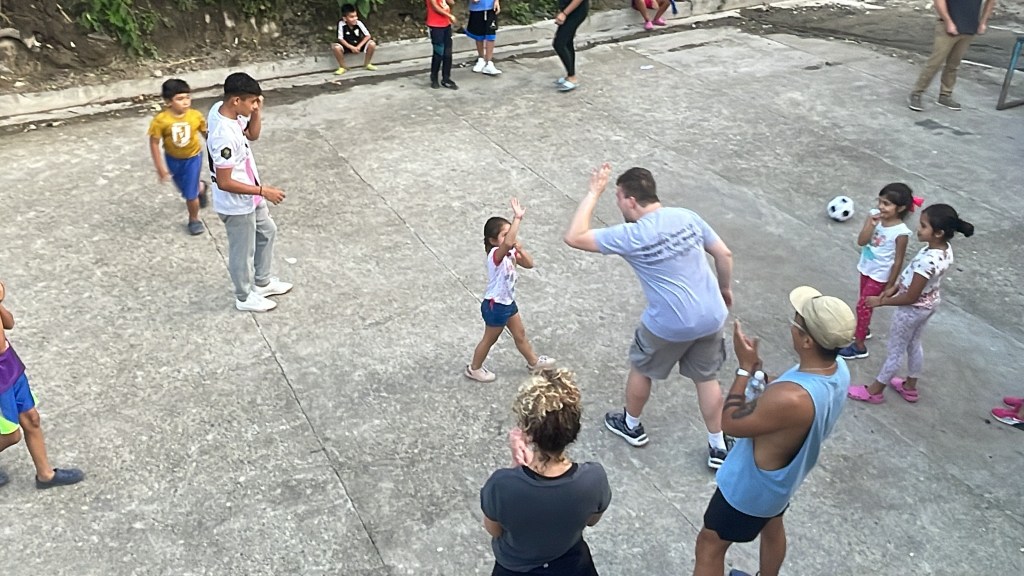
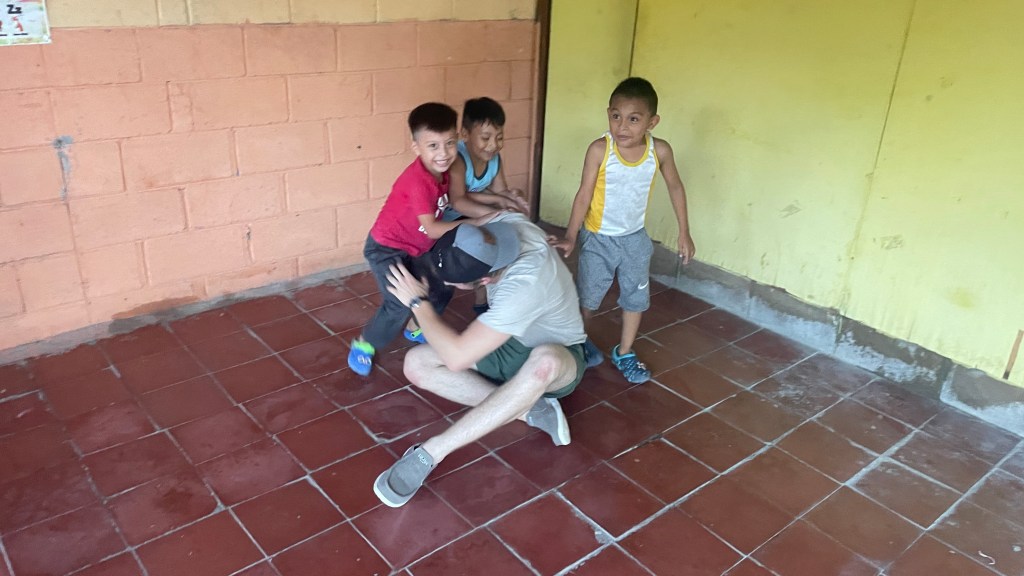
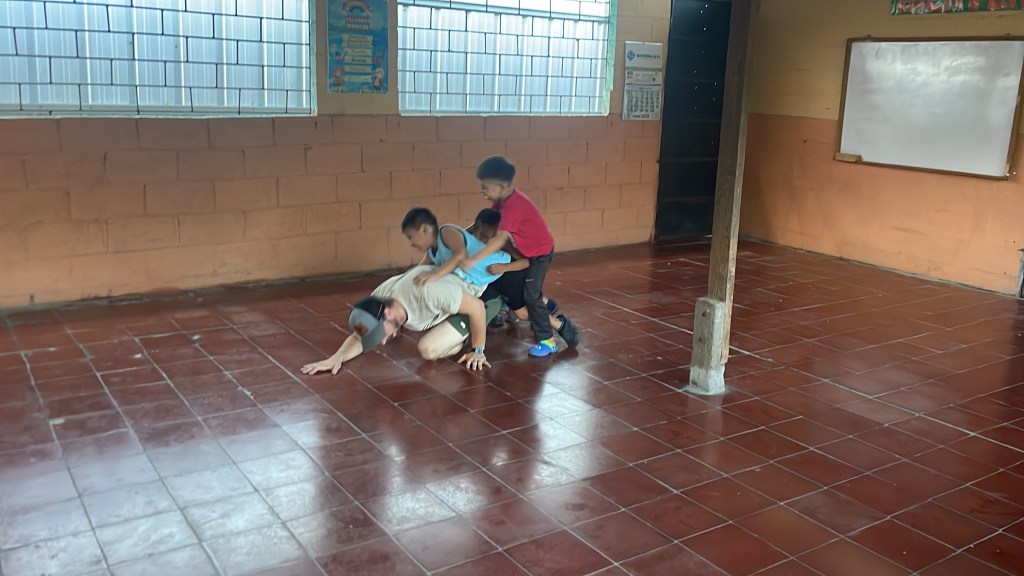
Arriving at the community center — a single room and concrete courtyard — we met the children. They were in school, which is run by CEDEINFA as they can’t afford public education, and divided into three age groups inside the building. After interacting with them and doing our best to communicate through basic Spanish, we showed them the soccer ball we brought. Playing soccer on concrete with small, metal goal posts felt so restricted compared to our big fields and parks back home, but it didn’t change the spirit of the game. The children were thrilled to have new playmates, and the ones that sat out found new companions in myself and a few others that chased them until we were outnumbered and lost control, with children hanging on every piece of our limbs. Their joy stole my heart immediately; these children are why I came to serve. What a beautiful introduction to the community on our first night.
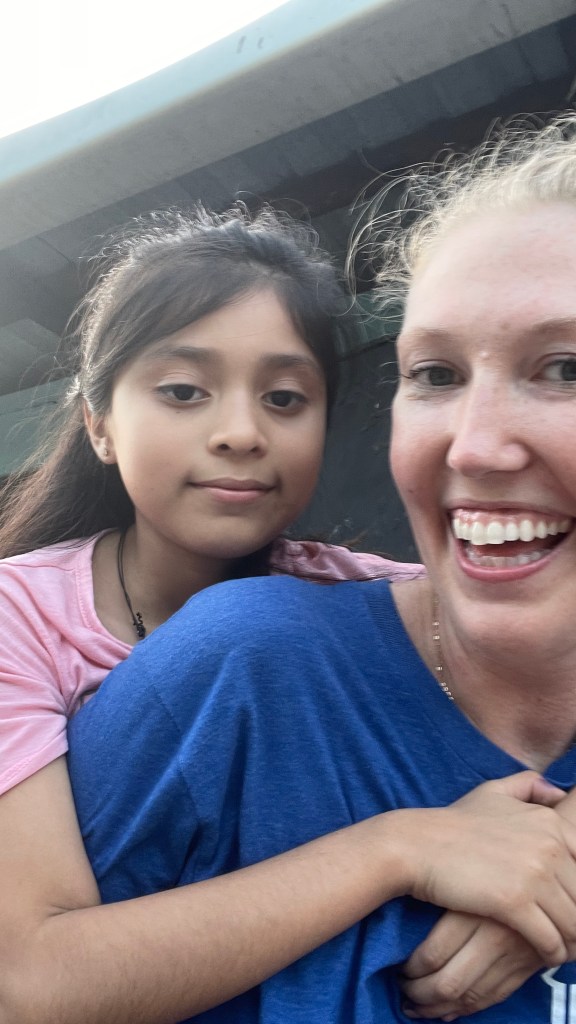
My overall first impression: The landscape of the country is beautiful, yet mixed with waftings of sewage and trash. The indoor-outdoor homes have so much character and offer an easiness about them but are dirtier and have so much less in them. The coolness of the night is so peaceful, yet the heat of the day and humidity is exhausting. But the spirit of the people here is restorative. The joy of the children invigorated my spirit. They live in the slums; they can’t afford education. The one-room schoolhouse that served three different age groups of children was bare, but there was joy and light in it. The roaring laugher of the kids, the huge eyes glaring up at me with hope, and the quiet reverence of a timid girl instantly captured me. They may be deprived of physical things, but they are not deprived of the Spirit of the Lord. Their spirits filled my soul and stole my heart.
Lord, however you want me to help this community this week, please move me there. Open my heart to have the same spirit in my life. Please bless these people and these children to find ways out of poverty. To find homes that don’t have leaking roofs. To be able to put food on the table. To get an education. To meet their basic needs. Thank you for their bravery and tenacity of will. All in your hands, Lord.







Discover more from Journey to Jireh
Subscribe to get the latest posts sent to your email.
